Orthopedic Wooden Dog Beds: A Buyer's Guide for 2026
Table of Contents
- Why Choose an Orthopedic Wooden Dog Bed?
- Orthopedic Memory Foam Dog Bed Benefits for Joint Health
- How to Choose an Orthopedic Dog Bed: Size, Materials, and Frame
- Best Dog Beds for Interior Design: Blending Style with Function
- The Haven: A Case Study in Premium Wooden Orthopedic Beds
- Caring for Your Wooden Orthopedic Bed: Cleaning and Maintenance
- Final Verdict: Is a Wooden Orthopedic Bed Worth the Investment?
- Frequently Asked Questions
Last Updated: September 8, 2026
Why Choose an Orthopedic Wooden Dog Bed?
Most dog beds fail in two distinct ways: they flatten within a year, and they clash with your living room. An orthopedic wooden dog bed solves both problems at once by pairing a high-density support core with a furniture-grade frame designed to last a decade, not a season.
The decision to buy orthopedic wooden dog beds often comes when a beloved pet starts showing signs of age, or when you are simply tired of replacing sagging cushions every few months. Unlike fabric-only options that sit on the floor, a wooden frame elevates the mattress, provides a stable perimeter for your dog to rest against, and brings genuine structural integrity to a category usually defined by disposable foam.
At Mafé Pets, we craft these pieces from solid North American hardwood with real joinery, not particleboard or staples. That distinction matters because the frame bears the weight of both the foam and your dog every single day. A sturdy frame prevents the edge collapse that plagues cheaper beds, keeping the support surface level and effective for years.

Orthopedic Memory Foam Dog Bed Benefits for Joint Health
Orthopedic memory foam is a viscoelastic polyurethane foam engineered to respond to body heat and pressure, softening at the point of contact while remaining firm in surrounding areas. This dual response creates the contouring effect that distributes your dog's weight across the entire sleeping surface, rather than concentrating it at the hips, elbows, and shoulders.
The clinical rationale is straightforward: when a dog lies on a hard or uneven surface, pressure points compress soft tissue and reduce local blood flow. Over hours of sleep, this can cause discomfort, restlessness, and frequent position changes. High-density foam mitigates this by increasing the contact area, lowering peak pressure at bony prominences. For dogs with osteoarthritis or hip dysplasia, this pressure redistribution can reduce morning stiffness and improve willingness to rise and move.
Density is the single most important spec to evaluate. Foam density is measured in pounds per cubic foot (PCF). Budget beds often use foam in the 1.2 to 1.5 PCF range, which compresses significantly under a 50-pound dog and offers minimal support. Quality orthopedic foam starts around 2.0 PCF and extends to 3.0 PCF or higher in premium products. A related metric is indentation load deflection (ILD), which measures firmness, how many pounds of force are required to compress the foam by 25%. A foam with an ILD of 12 to 16 is considered medium-soft, suitable for smaller dogs, while larger breeds benefit from an ILD of 16 to 24 to prevent the hips from sinking too deep.
Thickness matters independently of density. A 2-inch slab of high-density foam can still bottom out under a heavy dog because the frame beneath provides no give. Most veterinary rehabilitation specialists recommend a minimum of 4 inches of supportive foam for medium breeds and 6 inches for large or giant breeds. The goal is to keep the dog's spine in a neutral position, neither flexed downward nor arched upward, which requires enough foam depth to cradle the deepest part of the torso while the head and pelvis remain supported.
A common misconception is that all memory foam sleeps hot. Traditional viscoelastic foam does retain body heat, which is why many premium pet beds now incorporate gel-infused or open-cell formulations that dissipate heat more readily. If your dog tends to pant or seek cool surfaces, look for a bed that explicitly states its foam is gel-infused or breathable, as this affects sleep quality as much as pressure relief does.
Finally, consider the interaction between the foam and the wooden frame. A solid hardwood frame with a flat, level platform provides the ideal base for orthopedic foam. Unlike wire or slatted frames, which can create pressure ridges or allow the foam to sag between supports, a solid wood platform distributes the dog's weight evenly across the entire foam slab. This is a structural advantage that fabric-only beds cannot replicate, as they sit directly on the floor and offer no elevation or edge support.
How to Choose an Orthopedic Dog Bed: Size, Materials, and Frame
Learning how to choose an orthopedic dog bed requires evaluating three interconnected components: the frame dimensions, the foam quality, and the cover materials. Each element affects the others, so consider them as a system rather than separate features.
Selecting the Correct Size and Weight Capacity
Measure your dog from nose to tail base while they sleep in their preferred curled or stretched position, then add four to six inches. A bed that is too small forces your dog to fold unnaturally, reducing the effective support area. Weight capacity matters equally, as the foam must be thick and dense enough to support your dog's mass without compressing fully.
Evaluating Foam Density and Cover Fabrics
Look for high-density foam, typically measured in pounds per cubic foot, and a cover that is both breathable and removable. For hygiene, a machine-washable cover is non-negotiable, but the real protection comes from a waterproof liner beneath the fabric. This liner prevents accidents and spills from soaking into the foam, which is the leading cause of odor and premature breakdown.
Best Dog Beds for Interior Design: Blending Style with Function
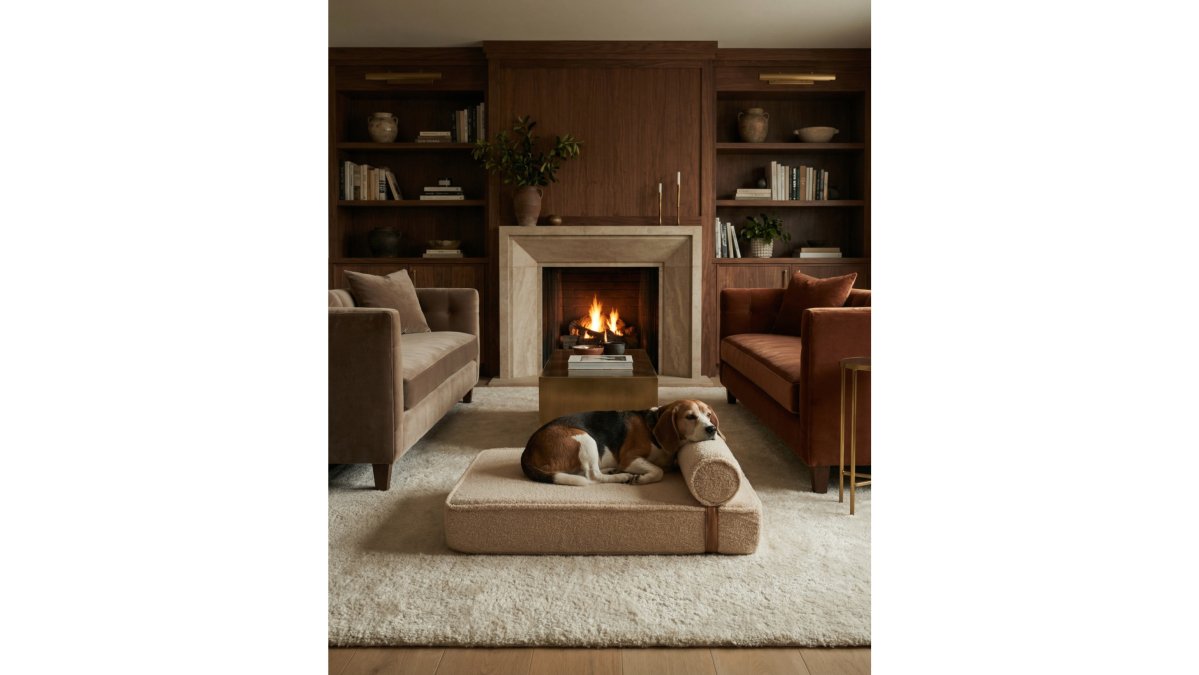
The search for the best dog beds for interior design usually begins with frustration: you have invested in beautiful furniture, and a plastic or nylon pet bed undermines the entire room. A wooden frame changes that equation, functioning as a piece of furniture in its own right.
Wooden beds integrate naturally with existing decor because wood is a foundational material in most homes. A hardwood frame with a clear, natural finish complements oak floors, walnut tables, and leather sofas in a way that brightly colored fabric cubes cannot. The bed becomes a deliberate design choice rather than an eyesore to hide.
Sustainable sourcing also plays a role for the design-conscious buyer. Solid wood from responsibly managed North American forests offers an eco-friendly alternative to petroleum-based foam beds wrapped in synthetic fibers. A well-made wooden bed is furniture you will keep, not a disposable accessory you will landfill in two years.
The Haven: A Case Study in Premium Wooden Orthopedic Beds
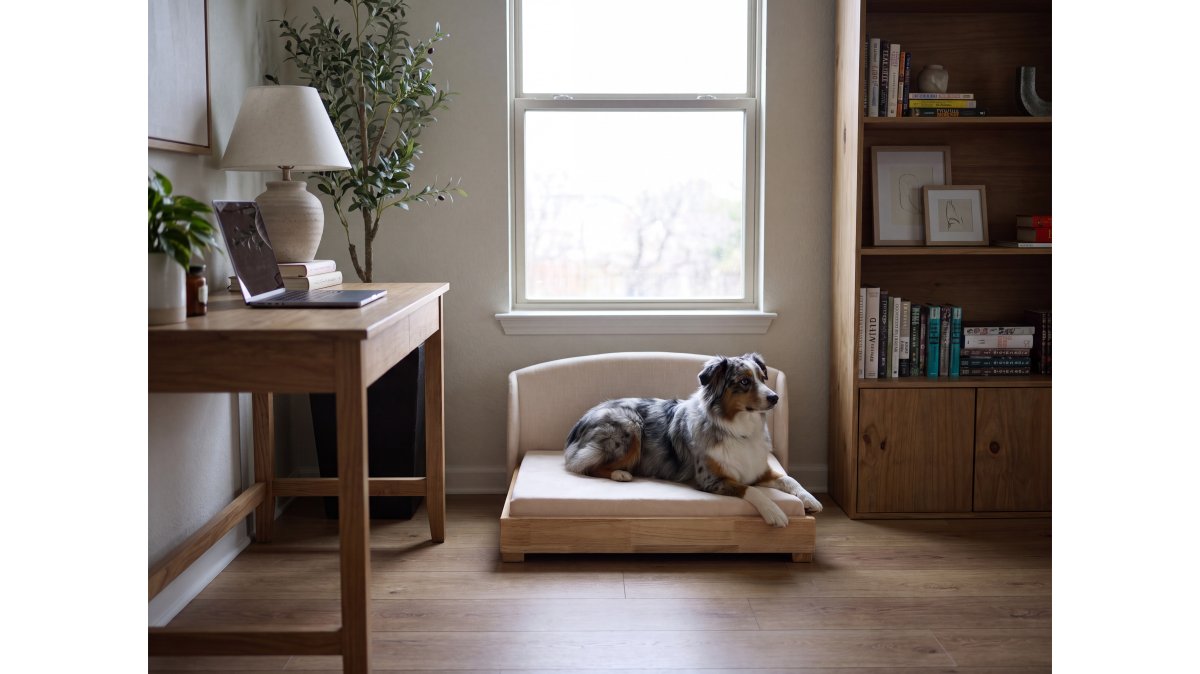
Our top recommendation for most owners is The Haven from Mafé Pets, a handcrafted bed that exemplifies the category. It combines a solid hardwood frame built with real joinery, a high-density orthopedic memory foam mattress, and a waterproof-lined, machine-washable cover, all backed by a ten-year structural warranty.
The construction philosophy centers on repairability and endurance. The frame is built like fine furniture, not a pet product, meaning it can withstand the daily wear of claws, jumping, and repeated use without loosening. The waterproof liner addresses the most common cause of bed failure, protecting the foam so it retains its supportive properties.
At $360, The Haven is a significant investment, but the ten-year warranty signals a confidence in longevity that budget beds cannot match. For owners of medium to large breeds who expect a decade of service, the cost per year of use compares favorably to replacing a $100 bed every eighteen months.
Caring for Your Wooden Orthopedic Bed: Cleaning and Maintenance
Most orthopedic bed guides stop at washing the cover. But a wooden bed is furniture, and furniture requires a different maintenance regimen than a fabric sack. Proper care extends both the life of the hardwood frame and the foam core it protects.
Cover and Liner Maintenance
The removable cover should be washed every two to four weeks, depending on how much time your dog spends on it. Use a gentle cycle with cold water and a mild, pet-safe detergent. Avoid fabric softeners, which coat fibers and reduce breathability, and skip the dryer if the cover is linen or cotton-blend, line drying prevents shrinkage and preserves the water-resistant backing if one is present.
Inspect the waterproof liner beneath the cover monthly. Run your hand across its surface to feel for punctures or worn seams. A single tear compromises the entire barrier, allowing moisture to reach the foam. If you find damage, replace the liner immediately rather than attempting a patch; the cost of a liner is trivial compared to the cost of replacing a foam core that has absorbed urine or drool.
Hardware and Joinery Checks
Wood expands and contracts with seasonal humidity changes. In dry winter months, joints can loosen slightly; in humid summer months, they can tighten. This is normal, but it means hardware should be checked twice a year. Use a hex key or screwdriver to gently tighten any exposed bolts or screws, do not overtighten, as this can strip the wood threads. If your bed uses cam locks or dowel joints, check for any visible gaps at the connection points.
A well-built bed with real joinery, mortise and tenon, dovetail, or doweled joints with wood glue, should remain stable for years without adjustment. If you hear creaking when your dog climbs on or off the bed, that is an early warning sign of joint loosening. Address it before the movement becomes pronounced, as ongoing stress can enlarge the joint and compromise the frame's integrity.
Wood Finish Care
The finish on your wooden bed is its first line of defense against moisture, claw marks, and everyday grime. Wipe the frame weekly with a slightly damp microfiber cloth to remove dust and pet hair. For deeper cleaning, use a solution of mild dish soap and water, applied with a barely damp cloth, then dry immediately with a clean towel. Avoid harsh chemical cleaners, bleach, or ammonia-based products, which can strip the protective finish and discolor the wood.
Every six to twelve months, assess the finish for wear. If the wood feels rough or looks dull in high-contact areas, typically the entry edge and the top rim where your dog rests their chin, apply a thin coat of furniture wax or a food-safe mineral oil. These products replenish the protective layer without altering the wood's color. Avoid silicone-based polishes, which build up a residue that attracts dust and can make the surface slippery.
Foam Core Care
Rotate the mattress every two to three months, even with a waterproof liner in place. This promotes even wear and prevents a permanent sleeping indentation from forming in your dog's favorite spot. If the foam develops a persistent odor despite the liner, sprinkle baking soda over the surface, let it sit for several hours, then vacuum thoroughly with an upholstery attachment.
Do not attempt to machine wash or submerge the foam core. High-density orthopedic foam absorbs water and takes days to dry completely, and the drying process can break down the cellular structure, reducing its supportive properties. Spot-clean the foam only if the liner has failed, using a damp cloth and allowing the area to air dry completely before replacing the liner and cover.
When to Seek Repairs
A quality hardwood frame should last a decade or more, but accidents happen. If a joint splits or a leg cracks, do not attempt a DIY fix with wood glue alone, the joint bears significant weight every time your dog jumps on or off. Contact the manufacturer to inquire about repair services or replacement parts. Many premium brands, including Mafé Pets, offer structural warranties that cover joinery failures, which is why a ten-year warranty is a meaningful indicator of build quality rather than a marketing gimmick.
Final Verdict: Is a Wooden Orthopedic Bed Worth the Investment?
For owners of senior dogs or breeds prone to joint issues, the therapeutic benefits of orthopedic support are clear. The combination of high-density foam and a stable wooden frame delivers pressure relief and spine alignment that flat cushions cannot provide.
The aesthetic argument is equally compelling. A wooden bed elevates pet furniture from a compromise to a design feature, allowing you to maintain your home's style without sacrificing your dog's comfort. When you consider the durability of a hardwood frame, the washability of the design, and the protection of a waterproof liner, the long-term value becomes evident.
An orthopedic wooden dog bed is a purchase for your dog's quality of life and your home's integrity. The Haven from Mafé Pets delivers on all fronts, with a ten-year warranty that makes the investment feel secure. Get started with Mafé Pets and give your companion the support they deserve, in a bed that looks as good as it feels.
Frequently Asked Questions
Are orthopedic wooden dog beds better than plastic or fabric alternatives?
Yes, for several reasons. A solid wood frame offers superior structural stability and durability compared to fabric or plastic, which can sag or warp over time. Wooden beds provide a stable, non-slip base for the high-density orthopedic memory foam, ensuring it maintains its shape and support. They are also more hygienic, as the elevated frame keeps the bed off cold floors and allows for better air circulation. For pet owners prioritizing both joint health and home aesthetics, a wooden frame is a long-term investment that outlasts other materials.
How do I choose the right size orthopedic bed for my dog?
Measure your dog from the tip of the nose to the base of the tail, then add 6 to 12 inches to determine the ideal bed length. Your dog should be able to stretch out fully without hanging off the edge. For a wooden bed, also consider the frame's interior dimensions, not just the overall footprint. A bed that is too small restricts movement and reduces the therapeutic benefits of the foam, while one that is too large can reduce the feeling of security for dogs that like to curl up.
Do orthopedic wooden dog beds require special maintenance?
Wooden orthopedic beds require minimal but specific care. The solid wood frame should be wiped down with a damp cloth and mild soap; avoid harsh chemicals that can strip the finish. The key advantage is the removable, machine-washable cover, which simplifies hygiene. Look for a model with a waterproof liner between the cover and the foam mattress. This protects the high-density memory foam from accidents and moisture, ensuring it remains supportive and odor-free for years. Regular washing of the cover keeps the bed fresh.
Is an orthopedic bed good for an active young dog?
Absolutely. While orthopedic support is vital for senior dogs with arthritis, it is also beneficial for young, active dogs. High-density memory foam provides full-body support, relieving pressure on developing joints and muscles after intense exercise or long runs. It encourages proper spine alignment and can help prevent future joint issues. Investing in a high-quality orthopedic wooden bed early supports your dog's long-term mobility and quality of life, making it a proactive choice for any breed prone to hip or joint problems.
The decision ultimately comes down to whether you view a dog bed as a disposable utility or a lasting piece of furniture. For discerning owners who want the best for their pet and their home, the wooden orthopedic bed is the clear winner. Shop The Haven today and see the difference a furniture-grade bed makes.