How to Choose Orthopedic Dog Beds: A 2026 Guide
Table of Contents
- Understanding Orthopedic Foam Technology and What Makes It Different
- Signs Your Dog Needs an Orthopedic Bed
- How to Measure Your Dog for the Right Bed Size
- Memory Foam vs Egg Crate Dog Beds: Which Supports Better
- Key Features to Evaluate: Density, Support, and Material Safety
- Best Orthopedic Dog Beds for Large Breeds
- Cleaning, Maintenance, and Long-Term Care
- Frequently Asked Questions
Last Updated: August 31, 2026
Understanding Orthopedic Foam Technology and What Makes It Different
Orthopedic memory foam responds to pressure and body heat by conforming to your dog's unique shape, then slowly recovering when pressure is released. This differs fundamentally from standard padding, which compresses evenly and forces joints to compensate by tensing surrounding muscles.
Memory foam concentrates support exactly where your dog needs it, reducing strain on arthritic joints and allowing muscles to relax. The density of the foam directly determines how much support it provides. High-density orthopedic foam (typically 4 pounds per cubic foot or higher) maintains its shape and supportive properties for years, while lower-density foam compresses over time and loses its therapeutic benefit.
Orthopedic grade isn't a regulated term, any manufacturer can use the label. The actual difference comes down to foam density, recovery time, and whether the foam is engineered for pressure relief. When evaluating orthopedic dog beds, look for high-density memory foam specifically designed for therapeutic support.
Construction method also matters. Foam that's glued together will eventually separate and shift. Foam integrated as a single molded unit maintains consistent support across the entire bed surface. Furniture-grade construction with solid hardwood frames and integrated memory foam mattresses outlasts typical pet furniture by years.
Signs Your Dog Needs an Orthopedic Bed
Your dog needs an orthopedic bed when joint stress is affecting their comfort or mobility. This isn't limited to senior dogs, younger dogs with large breed genetics, previous injuries, or certain health conditions benefit equally from proper support.

Watch for specific indicators: struggling to stand after resting, limping for the first few minutes of activity, or avoiding jumping on furniture they once enjoyed. Some dogs will shift their weight repeatedly before lying down, searching for a comfortable position, a sign that their current bed isn't providing adequate support.
Behavioral changes matter too. A dog that used to follow you from room to room but now stays in one spot may be conserving energy because movement causes discomfort. Whimpering when standing or reluctance to use stairs signals that orthopedic support becomes essential.
Age is a factor, but not the determining one. Large breed dogs develop joint issues earlier than small breeds due to body weight and growth patterns. A 5-year-old large breed may need orthopedic support while a 10-year-old small breed doesn't.
Preventative use also makes sense. If your dog is genetically predisposed to joint issues (German Shepherds, Labs, and Golden Retrievers are prone to hip dysplasia), starting with orthopedic support early can slow the progression of joint problems.
How to Measure Your Dog for the Right Bed Size
Measuring your dog correctly prevents buying a bed that's either too cramped or wastefully oversized. Have your dog lie down in their favorite resting spot, then measure from the tip of their nose to the base of their tail. Next, measure across their widest point, usually their shoulders or hips when lying down. Add 4-6 inches to both measurements to account for stretching and repositioning during sleep.
For large breeds, this often means beds in the 40-50 inch range for length and 30-36 inches for width. Medium breeds typically need 30-40 inches long and 24-30 inches wide.
Consider your dog's sleeping style. Dogs that curl up in a ball need less length than dogs that stretch out fully. Curlers can use a bed 6-8 inches shorter than their nose-to-tail measurement. Stretchers need every inch of that measurement plus the buffer.
The shape of the bed also affects fit. Rectangular beds work for most dogs and maximize floor space efficiency. Round beds are ideal for dogs that like to nest and circle before settling. Raised frame beds add the benefit of airflow underneath, which helps with temperature regulation and keeps the bed fresher longer.
One common mistake is choosing a bed based on your dog's current weight rather than their full-grown size. If you have a puppy that will reach 80 pounds, buy for 80 pounds now.
Memory Foam vs Egg Crate Dog Beds: Which Supports Better
Memory foam conforms to your dog's body shape and distributes pressure evenly across the entire surface. It responds to heat, becoming softer as your dog's body warms the material, creating a cradling effect that reduces pressure on joints. Memory foam recovers slowly (5-10 seconds), which is beneficial because it indicates the foam was genuinely compressed and working.
Egg crate foam has a waffle-like surface with peaks and valleys. The theory is that peaks provide support while valleys provide airflow. In practice, egg crate foam offers less support than memory foam because the valleys create pressure points rather than distributing pressure evenly. Egg crate foam also compresses faster and doesn't recover as well.
For dogs with arthritis, hip dysplasia, or other joint conditions, memory foam is the clear choice. For young, healthy dogs without joint concerns, egg crate foam is adequate and more budget-friendly.
High-density memory foam lasts longer than egg crate foam. A quality memory foam bed maintains support for 5-7 years with proper care. Egg crate foam typically needs replacement every 2-3 years as the peaks compress and flatten.
Key Features to Evaluate: Density, Support, and Material Safety
When comparing orthopedic dog beds, three features determine whether the bed will actually help your dog and last through years of use.
Foam density is measured in pounds per cubic foot (PCF). For therapeutic orthopedic support, 4 PCF or higher is the standard. This density maintains shape and support even under the weight of large dogs over extended periods.
Support level refers to firmness. An orthopedic bed should feel firm to moderately firm, your hand shouldn't sink more than 1-2 inches when you press down. Dogs with joint issues need firmness that supports their weight and joints, not softness that lets them sink into the bed.
Material safety includes both the foam itself and the cover. Look for foams certified as free from harmful chemicals like formaldehyde, phthalates, and flame retardants. Waterproof liners should be PFAS-free (per- and polyfluoroalkyl substances), which are "forever chemicals" that don't break down in the environment.
The cover fabric should be durable enough to withstand repeated washing and your dog's nails without tearing. Machine-washable covers are essential for hygiene, you should be able to wash the cover every 2-4 weeks without damaging the bed. Waterproof liners underneath protect the foam from accidents and moisture, extending the bed's lifespan significantly.
Removable covers are non-negotiable. A quality orthopedic bed has a removable, machine-washable cover and a waterproof liner protecting the foam underneath.
Best Orthopedic Dog Beds for Large Breeds
Large breed dogs benefit most from orthopedic support because their body weight creates more joint stress than smaller dogs experience. A 70-pound dog puts three times the pressure on their joints compared to a 25-pound dog.

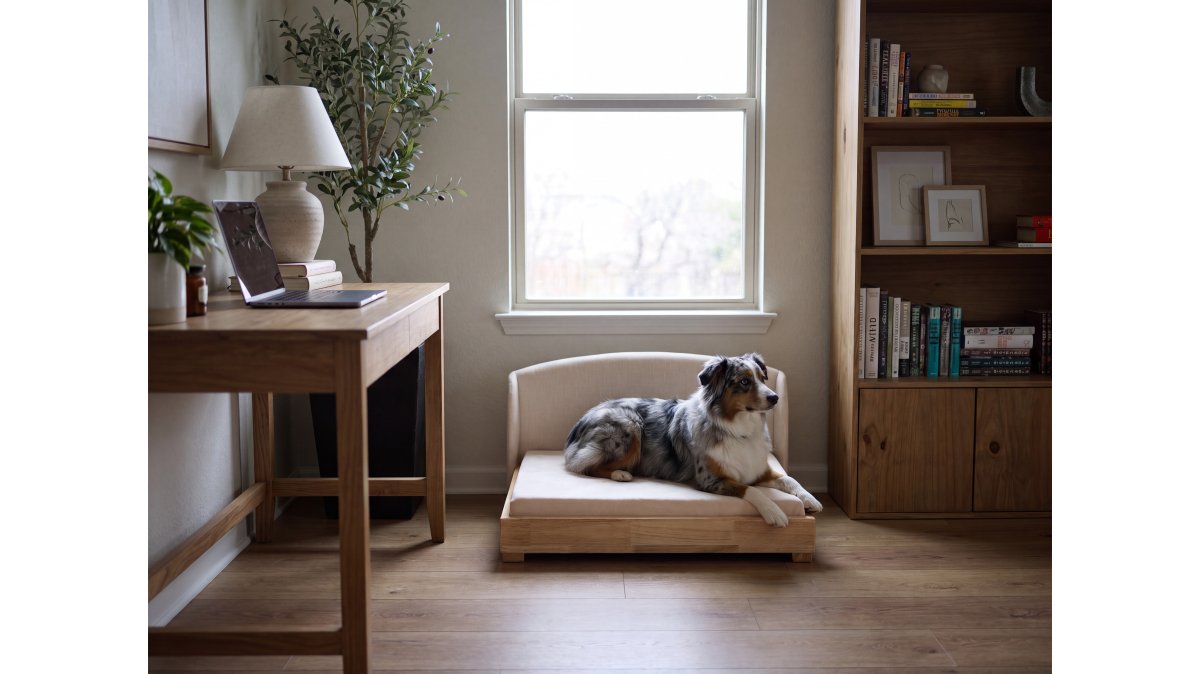
The Haven from Mafé Pets is purpose-built for large breeds requiring serious orthopedic support. The bed features solid North American hardwood construction with real joinery that supports dogs up to 100+ pounds without sagging or warping. The high-density orthopedic memory foam mattress is waterproof-lined and removable, allowing you to wash the cover in your standard washing machine. The ten-year structural warranty reflects the quality of construction.

The Haven's furniture-grade design integrates into your home rather than looking like a pet accessory. The raised frame design allows airflow underneath, which helps regulate temperature and keeps the bed fresher longer than beds that sit directly on the floor.
For large breeds specifically, the Haven's firm support prevents the sinking feeling that happens with softer beds. Large dogs need a bed that supports their weight throughout the night, not one that compresses under their body weight and forces them to shift positions constantly.
The Modern Day Bed from Mafé Pets works well for large breeds that prefer a lower-profile lounge style. The high-density foam cushion provides support while the bolster backrest gives dogs a place to rest their head. The waterproof-lined mattress and machine-washable cover follow the same quality standards as The Haven.
When choosing a bed for a large breed, prioritize: high-density foam (4+ PCF), waterproof protection, removable machine-washable cover, and a frame sturdy enough to support your dog's weight without flexing or sagging. A quality orthopedic bed for large breeds costs more upfront but lasts for years, making the per-year cost comparable to replacing cheaper beds repeatedly.
Cleaning, Maintenance, and Long-Term Care
How you maintain your dog's orthopedic bed determines how long it lasts and how hygienic it remains. A well-maintained bed can provide years of support; neglected beds deteriorate in 2-3 years.
Regular cleaning starts with vacuuming the cover weekly to remove hair, dust, and debris. For the removable cover, machine wash on a gentle cycle with mild detergent every 2-4 weeks. Cold water prevents shrinking and color fading. Air dry the cover when possible.
The waterproof liner underneath protects the foam from moisture. If your dog has an accident, blot the liner with paper towels immediately. Don't let urine sit on the liner, it will eventually seep through to the foam despite waterproof protection.
Spot cleaning addresses stains and odors without full washing. Mix equal parts white vinegar and water, spray the affected area lightly, and blot with a clean cloth. The vinegar neutralizes urine odor without harsh chemicals.
Foam care is minimal if you use the waterproof liner properly. Never wash the foam itself, water damages memory foam and causes mold growth. Check the liner monthly for tears or damage. If the liner tears, replace it rather than trying to patch it.
Fluffing and positioning help the foam maintain even support. Every few weeks, rotate the bed 180 degrees so your dog uses different areas of the foam. This prevents compression patterns from developing in high-use zones.
Odor management goes beyond cleaning. Ensure the bed is in a well-ventilated area and allow it to air out regularly. Opening windows or using a fan helps. For persistent odors, sprinkle baking soda on the cover, let it sit for 15 minutes, then vacuum thoroughly before washing.
Mafé Pets' machine-washable design eliminates the excuse of "it's too hard to clean." The cover comes off and goes in your standard washing machine, making hygiene maintenance simple.
Choosing the right orthopedic dog bed means understanding what your dog actually needs, not just what marketing claims promise. The difference between a bed that relieves joint pain and one that merely looks orthopedic comes down to foam density, support level, and construction quality.
If your dog shows any sign of joint stress or mobility changes, an orthopedic bed is a practical investment in their comfort and long-term mobility. The Haven from Mafé Pets combines high-density orthopedic memory foam with furniture-grade construction that lasts a decade, making it the choice for large breed owners who refuse to compromise on either support or design. With a waterproof liner and machine-washable cover, maintenance stays simple, and your dog gets the therapeutic support they need for years to come. Shop The Haven and give your dog the foundation for better joint health.
Frequently Asked Questions
Q: What makes a dog bed truly orthopedic?
A: A true orthopedic dog bed uses high-density memory foam that conforms to your dog's body, distributing weight evenly and relieving pressure on joints. The foam should have a density of at least 4 pounds per cubic foot to provide adequate support. Quality orthopedic beds also feature a supportive core that prevents bottoming out, ensuring the foam maintains its shape and support over years of use. The mattress should promote spinal alignment and reduce stress on pressure points, particularly the hips and shoulders.
Q: Do orthopedic dog beds actually help with arthritis?
A: Yes, orthopedic dog beds can provide meaningful relief for dogs with arthritis. The pressure-relieving properties of high-density memory foam reduce strain on arthritic joints by distributing weight more evenly than traditional beds. Dogs with arthritis often show improved mobility and spend more time resting comfortably when given proper orthopedic support. However, a bed alone is not a substitute for veterinary care. Orthopedic beds work best as part of a comprehensive approach that may include medication, exercise, and physical therapy recommended by your veterinarian.
Q: How do I know if my dog needs an orthopedic bed?
A: Consider an orthopedic bed if your dog is a senior (typically 7+ years old), has a large breed prone to joint issues, shows signs of joint pain like stiffness or limping, or has a diagnosed condition such as arthritis or hip dysplasia. Even younger large-breed dogs benefit from orthopedic support for long-term joint health. Watch for difficulty rising from rest, reluctance to jump or climb stairs, or visible discomfort when moving. If your dog spends significant time sleeping, an orthopedic bed becomes an investment in their comfort and mobility throughout their life.
Q: How often should you replace an orthopedic dog bed?
A: A quality orthopedic dog bed built with high-density memory foam and a supportive core can last 5-10 years or longer, depending on use and care. Beds with solid construction and proper maintenance outlast standard pet beds significantly. Signs it's time to replace your bed include visible sagging, foam that no longer springs back, or reduced support when your dog lies down. Regular cleaning and proper care, including the use of a waterproof liner and machine-washable covers, extend the life of your bed considerably.
This article was written using GrandRanker