Dog Bed With 10-Year Warranty: Quality That Lasts
Table of Contents
- Why a Dog Bed With a Ten-Year Warranty Matters
- What a Ten-Year Warranty Actually Covers
- Durable Dog Beds for Chewers: Construction That Stands Up
- Orthopedic Dog Bed Longevity: Supporting Joints Over Time
- How to Choose a Long-Lasting Dog Bed
- The Real Cost of Cheap Dog Beds vs. Long-Term Investment
- Maintenance and Cleaning for Extended Bed Life
- Frequently Asked Questions
Last Updated: September 3, 2026
Why a Dog Bed With a Ten-Year Warranty Matters
A dog bed with ten year warranty represents a commitment to your dog's long-term health and durability. Most pet owners cycle through three to five beds over their dog's lifetime, replacing worn mattresses and managing constant cleanup. A bed built to last a decade changes that equation entirely.
The difference comes down to construction quality, material selection, and honest warranty terms. When a manufacturer stands behind their product for ten years, they're betting the frame won't splinter, the foam won't compress into uselessness, and structural integrity will hold. That confidence only exists when engineering is solid.
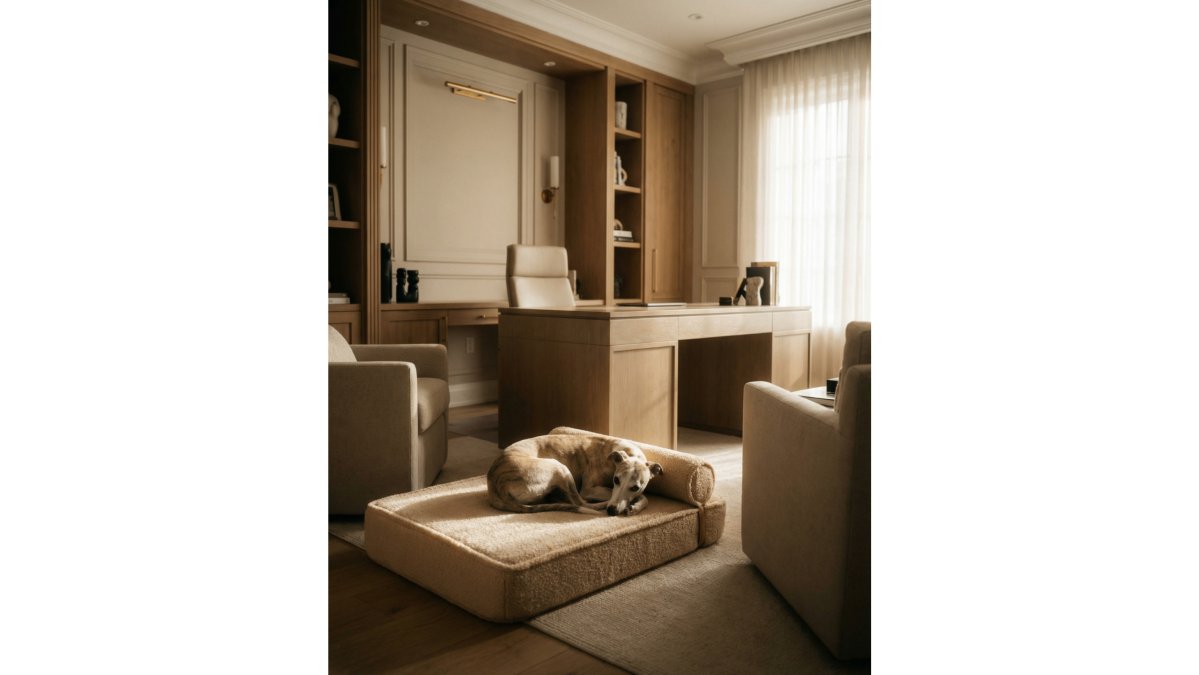
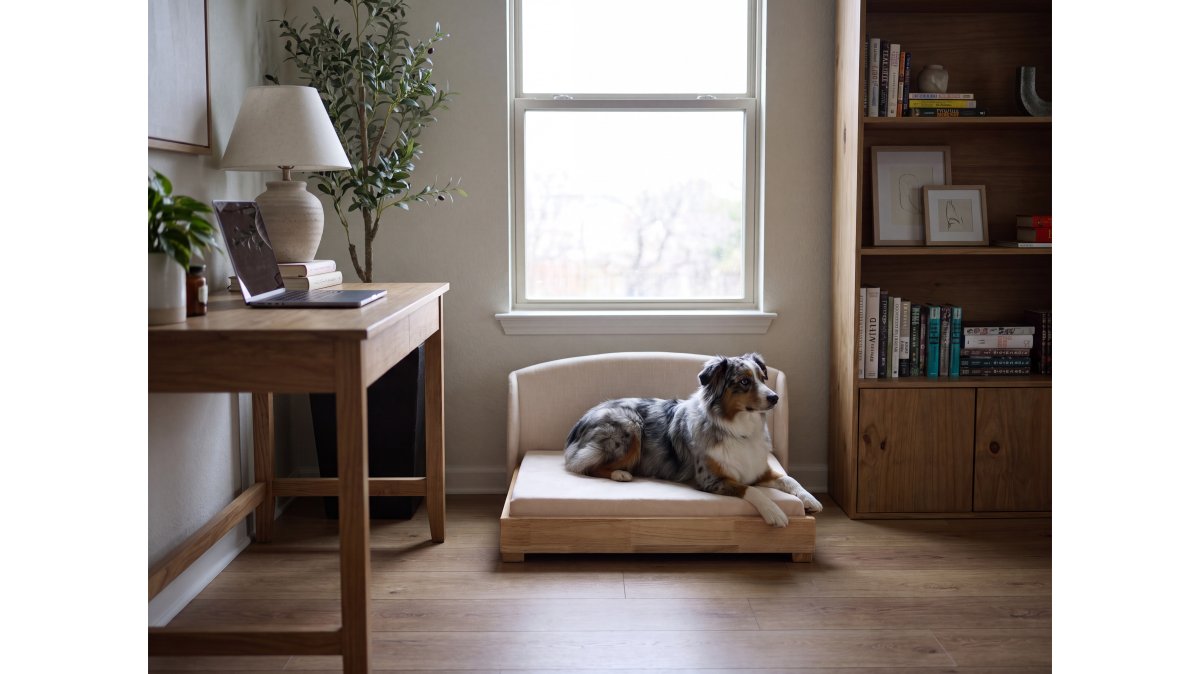
At Mafé Pets, we've designed the Haven with this philosophy. Solid North American hardwood joinery, high-density orthopedic memory foam, and waterproof-lined construction mean the bed handles years of daily use, accidents, and active wear. The ten-year structural warranty reflects what we believe the product will actually do.

Orthopedic support becomes increasingly important as dogs age. A bed that flattens after two years forces your aging dog to sleep on a compressed surface that no longer relieves pressure on joints. A bed that lasts maintains that support through their senior years, when it matters most.
What a Ten-Year Warranty Actually Covers
A ten-year structural warranty typically covers the frame, core foam structure, and fundamental construction, not every possible scenario.
The Mafé Pets ten-year structural warranty covers manufacturing defects in the hardwood frame, the integrity of the orthopedic foam (specifically against excessive flattening that compromises original density), and the stability of the bed's joinery. If the wood splits due to manufacturing defect, if the foam loses more than normal resilience, or if joints separate, the warranty applies.
Normal wear and tear falls outside warranty protection. Gradual softening of foam from years of use, damage from extreme moisture exposure beyond the waterproof liner's capacity, and damage from misuse typically aren't covered. If your dog has an accident that soaks through, the waterproof liner is designed to catch it and prevent foam damage. If the liner functions as intended, there's no damage to warranty. If someone ignores the liner or uses the bed without the protective cover in conditions that exceed the liner's capacity, that's user error.
Registration matters. Most warranties require proof of purchase and timely registration. Keeping your receipt and registering your bed ensures you can claim coverage if needed.
Durable Dog Beds for Chewers: Construction That Stands Up
Durable dog beds for chewers demand different engineering than standard pet furniture. A dog with a strong bite can shred a typical bed in weeks. The solution requires complete rethinking of materials that withstand sustained abuse.
The frame matters first. Solid hardwood resists splintering and damage far better than particleboard or MDF. When a dog chews on the frame edge, solid wood holds its integrity. Tight joinery denies chewers purchase to work on.
The fabric covering requires ballistic-grade durability. Cordura and ballistic nylon, originally designed for military applications, resist puncture, tearing, and abrasion far better than standard upholstery. A removable cover means you can replace it if chewing damages it, while the core foam stays protected.
Waterproof liners serve double duty. Beyond protecting against accidents, they create a barrier between the foam and a chewer's teeth. A dog chewing through fabric still faces the liner before reaching the foam core, extending the bed's usable life significantly.
The Mafé Pets Haven uses a machine-washable, cordura-reinforced removable cover and a waterproof liner that protects the core. For dogs prone to chewing, this construction means damage stays surface-level rather than structural.
Orthopedic Dog Bed Longevity: Supporting Joints Over Time
Orthopedic dog bed longevity isn't just about the bed staying intact, it's about the foam maintaining its supportive properties year after year. A bed that flattens loses its ability to relieve pressure on hips, shoulders, and joints.
High-density memory foam resists compression better than lower-density alternatives. Quality orthopedic foam starts at 3 to 4 pounds per cubic foot or higher, compared to standard foam at 1.5 to 2 pounds per cubic foot. That density means the foam takes longer to break down and recovers more completely after your dog gets up.
Recovery speed matters. Foam that stays indented has lost resilience. Over time, repeated compression without full recovery creates permanent indentation. A bed that maintains foam recovery maintains its support.
Temperature regulation affects longevity too. Breathable covers and liners that allow airflow help the foam stay cooler and last longer. The Mafé Pets design uses a breathable fabric cover paired with the waterproof liner, creating a system where air circulates while protection remains.
For dogs with joint issues, arthritis, or age-related stiffness, the difference between supportive foam and flattened foam is measurable. A dog sleeping on quality orthopedic support shows improved mobility the next morning. Over a decade, that's the difference between comfort and suffering.
How to Choose a Long-Lasting Dog Bed
Choosing a dog bed that will actually last requires evaluating construction details most retailers won't emphasize. Price alone doesn't predict longevity.
Start with the frame. Ask whether it's solid wood or composite. Solid hardwood resists damage and lasts longer. If the retailer can't clearly identify the wood species, that's a warning sign.
Examine the joinery. Mortise and tenon joinery (where one piece fits into a slot in another) is stronger than simple butt joints. If the bed uses only nails or staples, durability will suffer.
Look at the foam specification. A retailer should tell you the density and type of foam. Memory foam outlasts polyurethane. Higher density outlasts lower density.
Check the cover material. Cordura and ballistic nylon last longer than standard cotton blends. Is the cover removable and washable? Is it waterproof-lined?
Warranty terms reveal what the manufacturer believes about their product. A ten-year structural warranty signals confidence. Read the fine print to understand what's actually covered.
Size matters for longevity. A bed that's too small forces uncomfortable positioning that accelerates foam breakdown. A properly sized bed distributes weight more evenly and lasts longer.
Consider the price relative to expected lifespan. A $360 bed that lasts ten years costs $36 per year. A $80 bed that lasts two years costs $40 per year. The math often favors the better bed.
The Real Cost of Cheap Dog Beds vs. Long-Term Investment
Cheap dog beds appeal to budget-conscious owners until you do the math. A $50 bed that lasts two years means buying five beds over a decade. That's $250 in beds alone, plus shopping, unboxing, and disposal time.
A $360 bed that lasts ten years spreads the cost to $36 per year. The initial sticker shock disappears when amortized across actual lifespan.
Cheap beds fail in ways that affect your dog's health. Flattened foam means no joint support. For aging dogs, that translates to increased morning stiffness and pain. You might spend more on veterinary care for joint issues than you saved on the bed.
Cheap construction means the cover tears easily, foam breaks down quickly, and water damage ruins the mattress. One accident that soaks through a low-quality waterproof liner can destroy the entire bed. A quality bed handles accidents without damage.
The environmental cost matters too. Buying five beds over a decade means five beds end up in landfills. A single bed that lasts ten years means one-fifth the waste.
The real cost calculation should include: total bed cost over ten years, replacement hassle, health impact on your dog, environmental waste, and aesthetic integration. By every measure, the long-term investment wins.
Maintenance and Cleaning for Extended Bed Life
A bed that lasts a decade requires maintenance. The good news is that proper maintenance is straightforward and extends longevity significantly.
The removable cover should be washed regularly, monthly for most households, more frequently if your dog has accidents. Machine wash at warm temperature and air dry. The Mafé Pets Haven cover is machine-washable, keeping it fresh without special cleaning services.
The waterproof liner protects the foam from moisture but needs to stay intact. Inspect it regularly for tears or damage. Small repairs with waterproof patch kits extend its life.
The foam core doesn't need washing, but it benefits from airing out. On dry days, remove the cover and let the foam breathe in indirect sunlight. This prevents moisture buildup and keeps the foam fresher.
The wooden frame requires minimal maintenance. Wipe it down occasionally with a slightly damp cloth to remove dust. Don't use harsh chemicals or excessive moisture.
When accidents happen, the waterproof liner should contain the damage. Clean the cover immediately and allow the bed to air if needed. Never seal a damp bed in a closed space, mold will develop.
Preventive maintenance extends life more than reactive repairs. A bed that's kept clean, allowed to air regularly, and protected from excessive moisture will maintain its structure and support for the full ten years.
| Maintenance Task | Frequency | Impact |
|---|---|---|
| Wash removable cover | Monthly | Keeps fabric fresh, extends cover life |
| Inspect waterproof liner | Quarterly | Catches damage early, prevents foam damage |
| Air out foam core | Monthly (dry days) | Prevents moisture buildup, maintains foam resilience |
| Wipe wooden frame | As needed | Prevents dust accumulation, catches splinters |
| Address spills immediately | When they happen | Contains damage, protects foam from saturation |
Investing in a dog bed with ten year warranty isn't about luxury, it's about making a choice that benefits your dog's health, simplifies your life, and actually saves money over time. The Mafé Pets Haven combines solid hardwood construction, high-density orthopedic foam, and genuine durability with a ten-year structural warranty that backs up the engineering. For dog owners who want their pet's comfort to last as long as their dog does, it's the kind of investment that pays dividends every single day. Shop the Haven and discover what it means to choose quality that actually lasts.
Frequently Asked Questions
What does a 10-year dog bed warranty typically cover?
A ten-year warranty on a dog bed with ten year warranty typically covers structural defects in the frame and manufacturing flaws in the mattress core, such as foam deterioration or loss of support. Most warranties protect against frame failure, joint separation, and memory foam that fails to recover. However, warranties generally exclude damage from pet accidents, chewing, staining, or normal wear and tear. Always check the fine print, some warranties cover flattening resistance while others focus only on frame integrity. Registration and proof of purchase are usually required to file a claim.
Do orthopedic dog bed longevity claims hold up in real use?
High-density orthopedic memory foam can maintain its supportive properties for years when properly constructed with quality materials and a supportive base. However, longevity depends on foam density, the frame's structural integrity, and how well the bed is maintained. Beds made with high-density foam (typically 4-5 pounds per cubic foot) resist flattening better than lower-density alternatives. Regular cleaning, avoiding excessive moisture, and keeping the bed in a climate-controlled space all extend orthopedic dog bed longevity. Premium furniture-grade beds with solid hardwood frames and quality joinery outperform cheaper options by years.
Are furniture-grade dog beds actually worth the premium price?
Furniture-grade dog beds cost more upfront but deliver long-term value through durability, repairability, and aesthetic appeal. A $360 bed built with solid hardwood and high-density orthopedic foam can outlast five $70 beds, making the per-year cost comparable or lower. These beds resist flattening, chewing, and staining better than standard pet beds. They also integrate into home décor rather than looking like pet accessories, which appeals to design-conscious owners. For aging dogs needing joint support or homes where the bed is visible, the investment in quality construction and a ten-year warranty justifies the premium.
How do I know if a dog bed will flatten over time?
Check the foam density and composition, high-density memory foam (4+ pounds per cubic foot) resists flattening far better than standard foam. Look for a supportive base layer underneath the memory foam; cheaper beds often skip this, allowing the mattress to compress directly against the frame. A ten-year structural warranty that explicitly covers foam recovery or flattening resistance is a strong signal of durability. Read customer reviews for mentions of foam indentation after months of use. Beds made with ballistic nylon or cordura covers also resist the wear and tear that can accelerate flattening.
This article was written using GrandRanker