Easy-to-Clean Home Decor: A Practical Guide
Table of Contents
- Why Easy-to-Clean Home Decor Matters for Pet Owners
- Easy-to-Clean Furniture Materials That Last
- Easy-to-Clean Home Decor Ideas for Every Room
- How to Reduce Dust in the Home Through Smart Design
- Machine-Washable Home Textiles and Covers
- Decluttering and Organization for Easier Maintenance
- Creating a Realistic Cleaning Routine That Works
- Frequently Asked Questions
Last Updated: October 10, 2026
Why Easy-to-Clean Home Decor Matters for Pet Owners
Pet owners face a constant battle: keeping homes beautiful while managing the realities of living with dogs. Dust accumulates faster, spills happen without warning, and wear shows quickly on fabrics and finishes. This is where easy-to-clean home decor becomes essential, not optional.
The challenge isn't choosing between style and practicality. It's finding pieces and materials that deliver both. When you select easy-to-clean home decor strategically, you spend less time cleaning and more time enjoying your space. Your furniture lasts longer. Your home stays fresher.
Homes with pets demand smarter material choices. A dog bed with a waterproof liner and machine-washable cover prevents accidents from ruining your investment. Smooth, nonporous surfaces in kitchens and bathrooms wipe clean in seconds. Hard flooring resists scratches and stains far better than carpet. These aren't compromises, they're upgrades.
Easy-to-Clean Furniture Materials That Last
Choosing the right furniture materials is the foundation of a low-maintenance home. Not all materials perform equally when exposed to pet activity, spills, and daily wear.
Hard Flooring vs. Carpet: Choosing What Works
Hard flooring is the clear winner for homes with pets. Tile, laminate, vinyl, and sealed hardwood all resist stains, scratches, and moisture far better than carpet. A spill on hard flooring wipes away instantly. The same spill on carpet can set permanently within hours.
Carpet traps dust, dander, and odors, making it harder to maintain a truly clean home. If you prefer the warmth of carpet, use area rugs in bedrooms and low-traffic spaces instead of wall-to-wall installation. Choose low-pile rugs over shag or plush styles, which trap more debris.
Hard flooring works best in:
- Kitchens and bathrooms
- Entryways and hallways
- Living rooms where your dog spends the most time
- Any high-traffic area
Sealed hardwood or engineered wood offers warmth and elegance while remaining easy to clean. Vinyl plank flooring mimics wood or stone at a lower price point and stands up exceptionally well to moisture and scratches.
Upholstery Fabrics That Resist Stains and Dust
Microfiber is the gold standard for pet-friendly upholstery. Its synthetic fibers repel liquids, resist staining, and shed less lint than natural fabrics. Microfiber also resists dust accumulation, a critical advantage in homes where allergens matter.
Performance fabrics designed for high-traffic use offer another excellent option. These engineered textiles are treated to resist stains and moisture while maintaining a soft feel. Look for fabrics labeled as stain-resistant or performance-grade.
Avoid natural fabrics like linen and cotton in high-traffic furniture. While beautiful, they absorb liquids quickly and show stains permanently. Leather, while elegant, requires regular conditioning and can scratch under dog claws.
The best approach: reserve delicate fabrics for pieces your dog doesn't use. Keep seating where your dog rests upholstered in microfiber or performance fabric. This strategy lets you enjoy both beauty and practicality.
Easy-to-Clean Home Decor Ideas for Every Room
Smart material choices vary by room. Each space has different demands and different opportunities for easy-care design.
Living Room: Smooth Surfaces and Minimal Clutter
Your living room is where your dog spends the most time, and where guests see your space. Choose low-profile furniture with smooth, wipeable surfaces. Glass coffee tables clean instantly. Wood tables with sealed finishes resist water rings and dust.
Minimize decorative accessories. Every item you display collects dust and requires moving when you clean. A few carefully chosen pieces, a plant, a framed photo, a sculptural object, create visual interest without clutter.
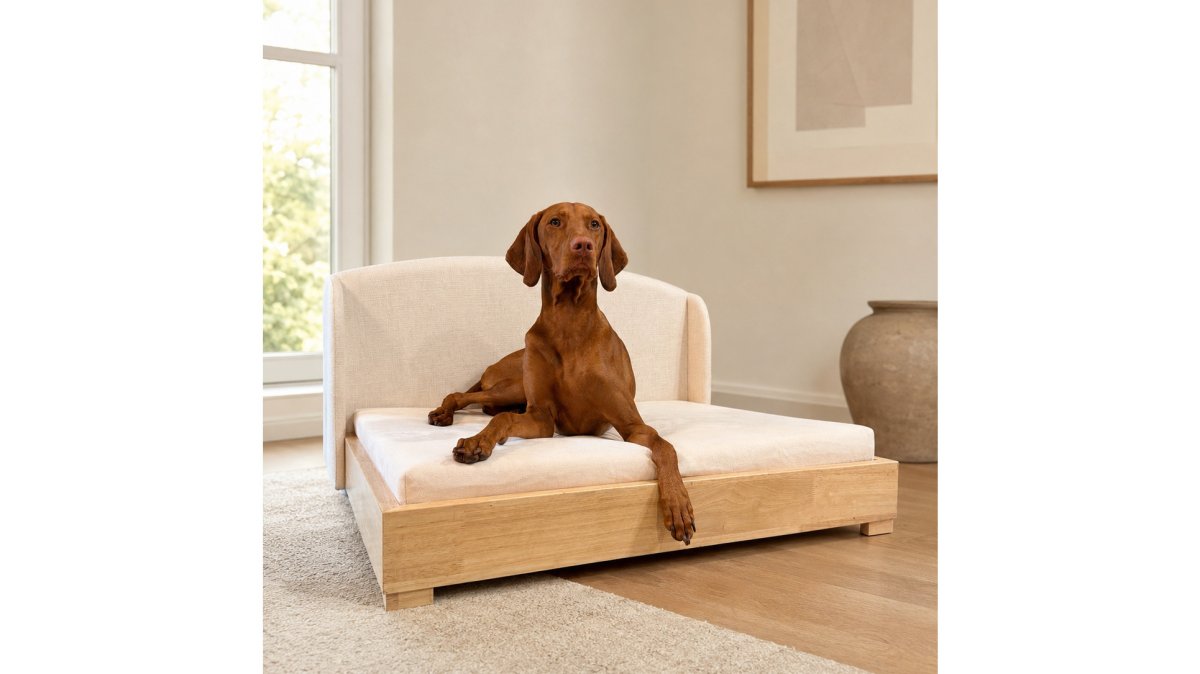
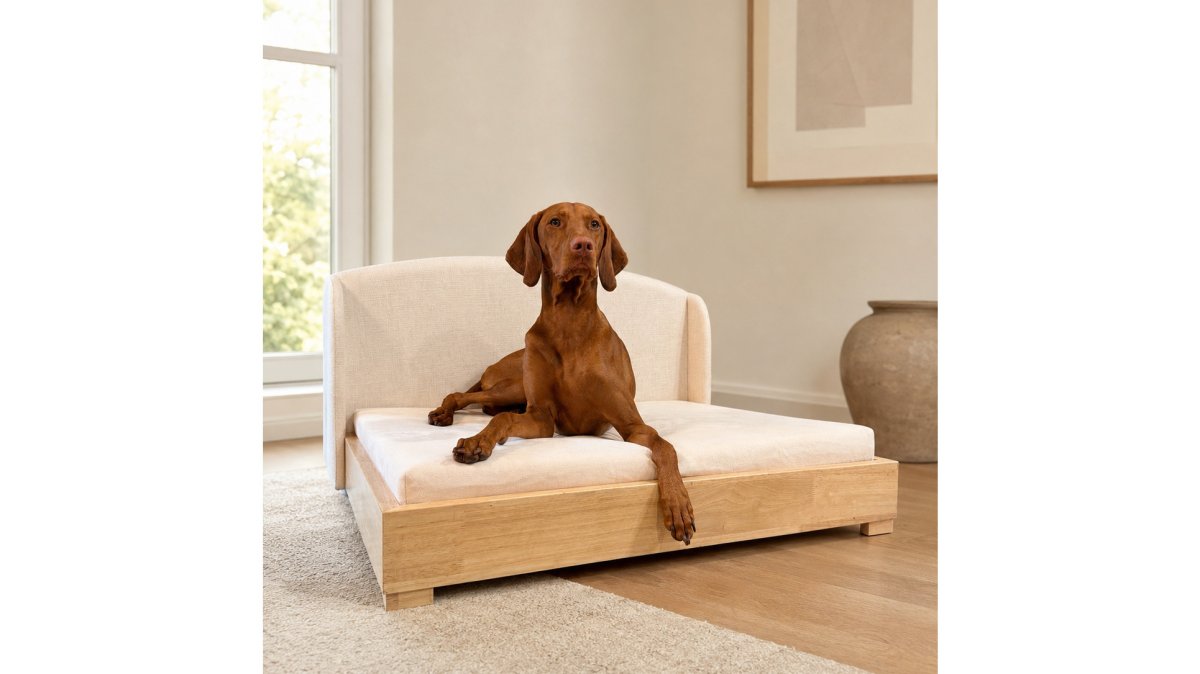
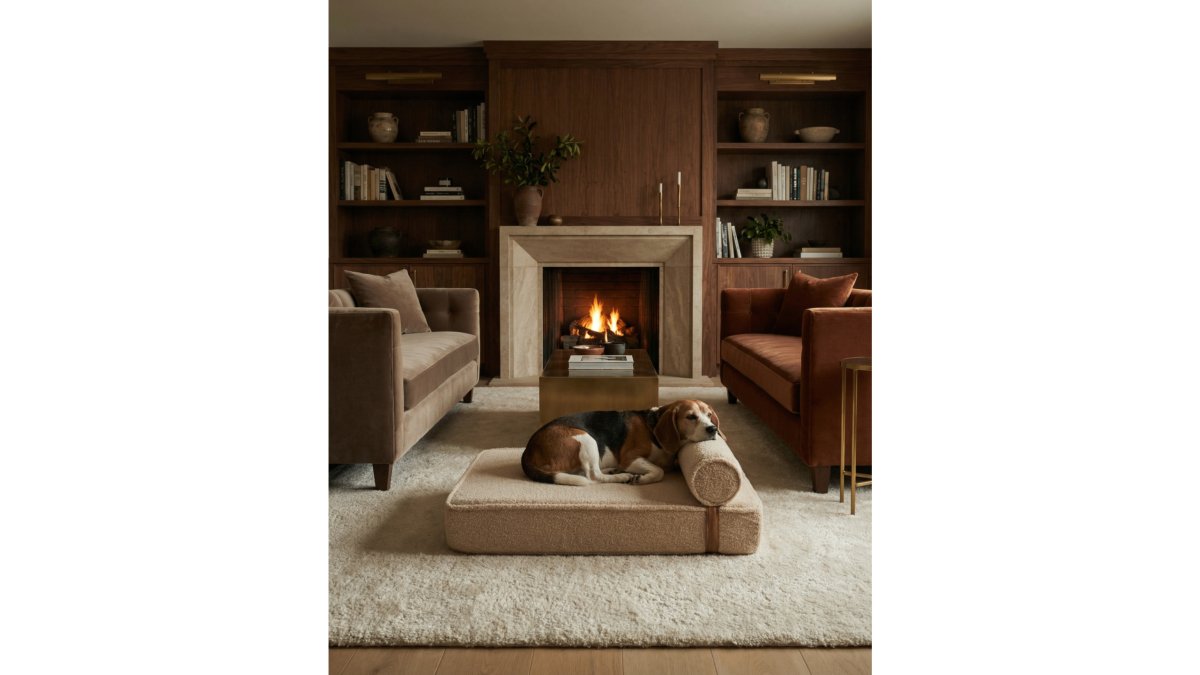
A furniture-grade dog bed like The Modern Day Bed ($205) or The Circle ($150) becomes part of your décor rather than an eyesore. Both feature high-density foam, waterproof liners, and machine-washable covers.


Wall-to-wall carpet collects dust and traps odors. Hard flooring with a washable area rug offers the best of both worlds. Choose a low-pile, machine-washable rug that you can throw in the washing machine when needed.
Bedrooms: Choosing Washable Textiles and Finishes
Bedrooms benefit from soft textures, but those textures must be washable. Invest in high-quality, machine-washable bedding. Look for sheets, pillowcases, and duvet covers labeled as easy-care or performance fabrics.
If your dog sleeps in your bedroom, use a washable dog bed with a removable cover. This prevents pet hair and dander from accumulating on your own bedding. A dog bed with a waterproof liner protects your floor if accidents happen during the night.
Avoid heavy drapes that collect dust. Instead, choose roller shades or lightweight, washable curtains. These clean faster and trap less dust than traditional window treatments.
Bedroom furniture should have smooth finishes. Polished wood, lacquered surfaces, and sealed finishes all wipe clean easily. Avoid heavily textured or carved wood that traps dust in crevices.
Kitchen and Bathroom: Nonporous Surfaces That Wipe Clean
Kitchens and bathrooms demand nonporous surfaces. Tile, sealed stone, and laminate resist moisture and staining. Avoid porous natural stone like marble or unsealed granite, which absorb spills and require constant sealing.
Backsplashes should be tile or sealed surfaces, never drywall or paint. These areas see splashes and splatters daily. Nonporous materials wipe clean instantly.
Cabinet hardware and fixtures should be stainless steel or sealed metal. These resist fingerprints and water spots far better than brass or bronze finishes.
Avoid open shelving in kitchens with pets. Dust settles on displayed items. Closed cabinets keep dishes clean and your space looking organized.
How to Reduce Dust in the Home Through Smart Design
Dust is the enemy of easy-to-clean homes. Smart design choices dramatically reduce dust accumulation, and the cleaning time required to manage it.
Smooth surfaces collect less dust than textured ones. Choose paint with a high-gloss or semi-gloss finish over matte finishes. Glossy surfaces are easier to wipe down.
Minimize soft furnishings. Every curtain, cushion, and throw pillow collects dust. If you love these elements, choose machine-washable versions and wash them monthly.
The Modern Day Bed — Boucle Lounge Dog Bed | High-Density Foam, Waterproof →
Carpet and area rugs trap dust within their fibers.
Clutter creates surfaces for dust to settle. Shelves full of decorative items, stacks of books, and piles of blankets all collect dust. Keep surfaces clear.
A central vacuum system with sweep inlets makes dust removal easier. These systems pull air and dust outside your home rather than recirculating it.
Machine-Washable Home Textiles and Covers
Machine-washable textiles are non-negotiable in homes with pets. The ability to throw a cover in the washing machine transforms how you maintain your space.
Dog bed covers should zip off and wash cold in a standard machine. Look for covers made from performance fabrics or microfiber that dry quickly.
Furniture covers and throws protect upholstery and wash easily. Choose covers made from durable, machine-washable fabrics.
Curtains, if you use them, should be machine-washable. Many lightweight curtains wash on a gentle cycle and air-dry without wrinkles. Avoid dry-clean-only fabrics in homes with pets.
Bedding must be washable. High-thread-count sheets made from performance fabrics offer comfort and durability. Wash bedding weekly to remove pet hair and dander.
Rugs and mats should be machine-washable. Low-pile, tightly woven rugs withstand repeated washing better than delicate styles. Washable bath mats prevent mildew and odors from accumulating.
Decluttering and Organization for Easier Maintenance
Clutter makes cleaning harder. Every item requires moving, dusting, and replacing. Decluttering your home directly reduces the time and effort required to keep it clean.
Start by removing decorative items you don't actively love. A shelf with five carefully chosen objects looks better and cleans faster than a shelf with twenty items.
Storage solutions keep necessities out of sight. Closed cabinets, drawers, and bins hide items while keeping your space visually open.
Organize items by category and frequency of use. Keep daily-use items accessible. Store seasonal or occasional items in closed storage. This approach reduces the number of surfaces that collect dust.
Pet supplies should have designated storage.
Vertical storage maximizes space and reduces floor clutter. Wall-mounted shelves, hooks, and cabinets free up floor space where dust settles. Less floor clutter means easier sweeping and vacuuming.
Creating a Realistic Cleaning Routine That Works
Easy-to-clean home decor means nothing without a routine that keeps your space maintained. A realistic routine fits your schedule and prevents dirt from accumulating.
Daily tasks should take minutes:
- Wipe kitchen and bathroom counters
- Sweep high-traffic areas
- Spot-clean spills immediately
Weekly tasks maintain your space:
- Vacuum or mop all floors
- Dust smooth surfaces
- Wash pet bed covers
- Clean mirrors and glass
Monthly tasks prevent buildup:
- Wash machine-washable rugs
- Wipe baseboards and door frames
- Deep-clean kitchen appliances
- Launder bedding and curtains
Quarterly tasks address seasonal needs:
- Clean ceiling fans and light fixtures
- Wash windows inside and out
- Deep-clean hard-to-reach areas
- Refresh closet organization
The key is consistency. A 15-minute daily routine prevents messes from becoming overwhelming. Skipping daily tasks forces longer cleaning sessions later, when you're more likely to skip them entirely.
Use tools that make cleaning faster. A microfiber cloth removes dust without streaking. A lightweight vacuum covers large areas quickly. A cordless stick vacuum makes spot-cleaning easy. Quality tools reduce the friction between you and your cleaning routine.
| Task | Frequency | Time Required | Best Tools |
|---|---|---|---|
| Wipe counters | Daily | 5 minutes | Microfiber cloth, cleaner |
| Sweep high-traffic areas | Daily | 5 minutes | Cordless broom or vacuum |
| Spot-clean spills | As needed | 2-5 minutes | Paper towels, stain remover |
| Vacuum all floors | Weekly | 20 minutes | Upright or stick vacuum |
| Dust surfaces | Weekly | 15 minutes | Microfiber cloth or duster |
| Wash pet bed covers | Weekly | 10 minutes | Washing machine |
| Mop hard flooring | Weekly | 20 minutes | Microfiber mop, floor cleaner |
| Wash rugs | Monthly | 15 minutes (active time) | Washing machine |
| Deep clean appliances | Monthly | 30 minutes | Appropriate cleaners |
Creating an easy-to-clean home starts with materials and design, but it requires commitment to a maintenance routine.
At Mafé Pets, we design dog beds that fit this philosophy. The Haven ($399) features a waterproof liner and machine-washable cover that make pet ownership compatible with a beautiful home.

Frequently Asked Questions
What materials are best for easy-to-clean home decor?
Hard flooring like sealed wood, tile, or laminate resists dust and spills better than carpet. For furniture, choose microfiber, performance fabrics, or leather that wipe clean easily. Smooth, nonporous surfaces on kitchen and bathroom counters prevent stains. Machine-washable covers, like those on quality dog beds, let you refresh textiles without replacing entire pieces. High-gloss finishes on furniture resist smudges better than matte finishes.
How do machine-washable home textiles help with maintenance?
Machine-washable covers let you clean pet beds, cushions, and throws on a regular schedule without damaging the core materials underneath. Waterproof liners protect foam from accidents and spills, extending the life of expensive furniture. Zip-off covers that wash cold and dry quickly mean less downtime, your furniture stays functional while you maintain it. This approach works especially well for households with pets or children.
Can I have a stylish home that's also easy to clean?
Yes. Focus on quality furniture with clean lines, choose a neutral color palette, and select materials like solid hardwood and high-density foam that age well. Invest in pieces like furniture-grade dog beds that serve double duty as decor and function. Reduce decorative clutter, use area rugs instead of wall-to-wall carpet in high-traffic areas, and opt for low-profile designs that don't collect dust underneath. Fewer items to dust means more time to enjoy your space.
How often should I clean if I design my home for easy maintenance?
With the right materials and layout, you can sweep hard flooring 2-3 times weekly and wipe surfaces as needed, typically daily in kitchens and bathrooms. Machine-washable covers can be cleaned monthly or after accidents, while the furniture frame itself requires only occasional dusting. A realistic routine matches your household's needs; pet owners benefit most from waterproof-lined furniture and smooth surfaces that handle spills quickly without permanent damage.