5 Benefits of Washable Dog Beds for Hygiene
Table of Contents
- Why a Washable Dog Bed Changes Your Home's Hygiene
- 1. Odor Control and Everyday Freshness
- 2. Fewer Allergens, Dander, and Dust Mites
- 3. Less Risk of Moisture Buildup, Mold, and Bacteria
- 4. Better Support for Sensitive Skin and Aging Joints
- 5. Durable Materials That Hold Up to Frequent Laundering
- How to Clean Dog Beds Without Damaging the Materials
- How to Remove Dog Bed Odors for Good
- Frequently Asked Questions
Last Updated: October 8, 2026
Why a Washable Dog Bed Changes Your Home's Hygiene
Washable dog beds are dog beds with a removable cover and a waterproof-lined mattress that can go into a standard washing machine.
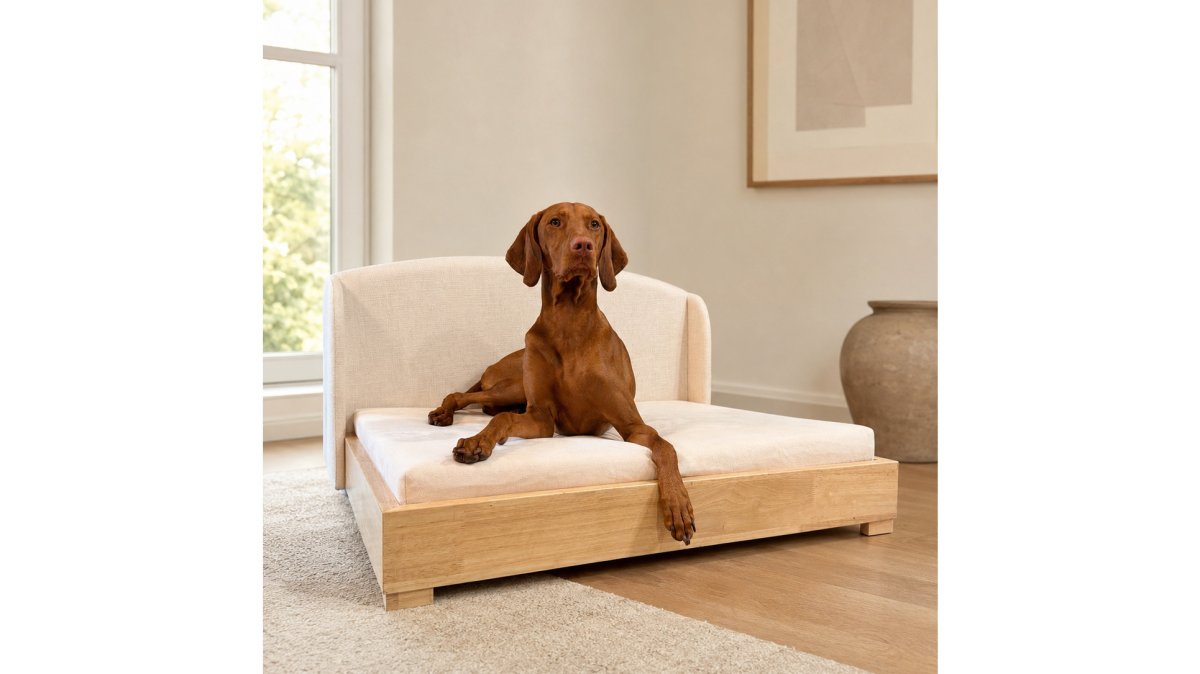
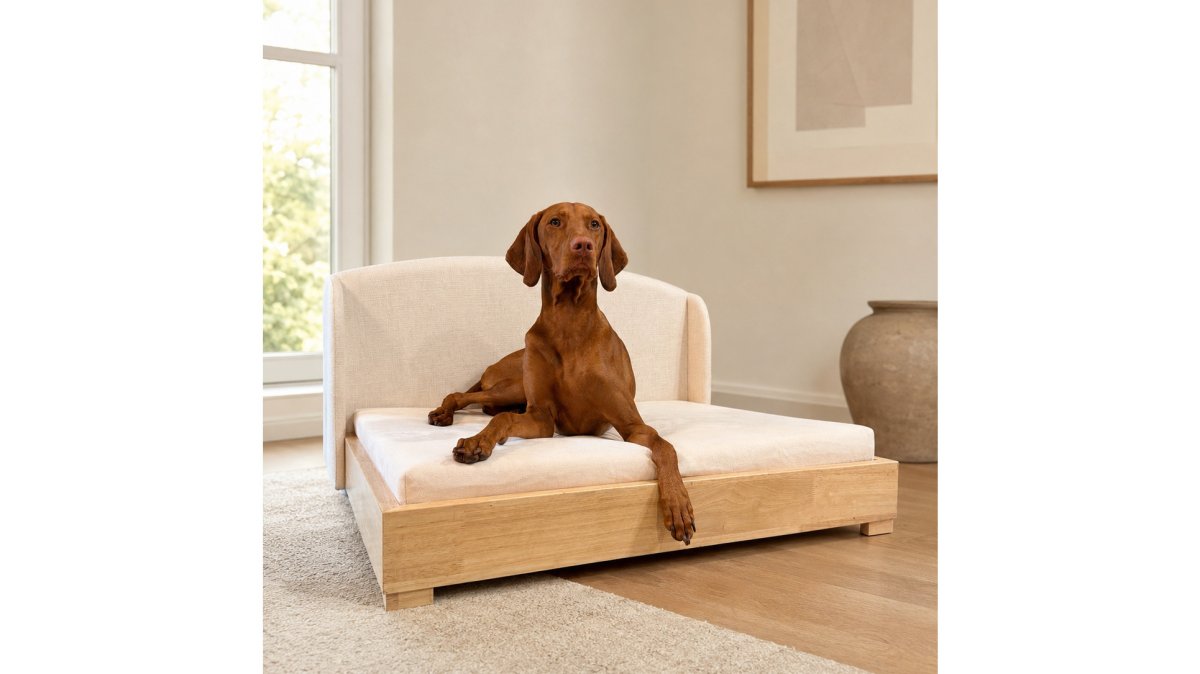
At Mafé Pets, we build furniture-grade beds with zip-off covers and waterproof liners for exactly this reason. A bed you can actually launder is the difference between a clean home and a losing battle against smell.
Here are the five biggest hygiene benefits, plus how to clean a dog bed without wrecking it.
1. Odor Control and Everyday Freshness
Odor control starts with removing the source, not covering it up. Dogs sweat through their paws and carry oils in their coats. Those oils soak into fabric and turn stale fast.
A machine-washable cover lets you strip that buildup out on a regular schedule. Frequent laundering resets the bed instead of masking the smell.
- Wash the cover every one to two weeks for most dogs
- Wash weekly if your dog is a swimmer, a drooler, or a shedder
- Air the mattress core between washes to keep it fresh
2. Fewer Allergens, Dander, and Dust Mites
Allergens build up in fabric over time. Dander, dust mites, and pollen settle into a bed and stay there until you wash them out.
Washable dog beds let you remove those allergens instead of just vacuuming the surface.
- Hot water and a full wash cycle remove more allergens than spot cleaning
- Dust mites thrive in warm, damp fabric, so drying fully matters
- A waterproof liner keeps allergens out of the foam core
The liner is the unsung hero here. It stops spills and accidents from soaking into the mattress, where they would be nearly impossible to remove.
3. Less Risk of Moisture Buildup, Mold, and Bacteria
Moisture is where hygiene problems start, and the danger is not the surface, it is the inside of the bed. A damp foam core creates the warm, dark, humid environment mold spores need to germinate, and once mold colonizes the interior of a mattress, no amount of surface cleaning fixes it.
That is why the waterproof liner matters more than the cover. The cover takes the hit from drool, accidents, wet fur, and spilled water bowls. The liner blocks that moisture from reaching the foam.
How moisture actually gets trapped
Three common paths lead to a moldy core:
- A damp cover goes back on the mattress. Even slightly damp fabric releases humidity into the foam over the next 24 hours.
- The liner is wiped but not dried. A damp liner pressed against foam transfers moisture by contact.
- The bed sits on a non-breathable floor. Foam on a sealed concrete or vinyl floor traps condensation underneath.
Drying techniques that prevent mold
The goal is to dry the cover and the liner completely before they touch the foam again. A few practical rules:
- Tumble dry the cover on low with a clean dryer ball or tennis ball to break up clumps of fill and speed interior drying. High heat can shrink some fabrics and degrade waterproof coatings, so stay on low.
- Air dry the liner flat, not folded. Folding traps moisture in the creases. Hang it over a shower rod or lay it flat on a drying rack.
- Skip the sun-baking myth for foam. Direct sun can break down the cell structure of memory foam and orthopedic foam over time. Sun is fine for the cover; shade and airflow are better for the core.
If you can smell a musty, earthy odor coming from the mattress itself, not the cover, the foam core is likely already colonized. Washing the cover will not fix it. Replace the mattress.
Bacteria and the accident problem
Urine and feces carry bacteria that multiply fast in damp fabric. A waterproof liner lets you wipe the surface with a pet-safe enzymatic cleaner and stop the contamination at the liner instead of letting it wick into the foam. Wipe, then dry the liner fully before the cover goes back on. If the accident was large, wash the cover the same day rather than waiting for the regular cycle.
A quick moisture checklist
- Wipe the liner with a pet-safe cleaner after any accident
- Dry the liner fully before the cover goes back on
- Never put a damp cover or damp mattress back on the bed frame
Moisture control is the single highest-leverage habit for bed hygiene. Get the drying right and you prevent the mold, mildew, and bacteria problems that no wash cycle can undo.
4. Better Support for Sensitive Skin and Aging Joints
Skin irritation and joint pain often show up together in older dogs. A clean bed helps with both.
Fabric that holds dirt, dander, and bacteria can trigger itching and hot spots. At the same time, orthopedic foam relieves pressure on hips and elbows, which matters more as dogs age.
- Hypoallergenic, breathable fabrics reduce skin irritation
- High-density orthopedic foam holds its shape and supports joints
- A clean, dry sleeping environment helps prevent skin problems before they start
This is preventative care, not just cleaning. A fresh bed supports pet health on two fronts at once.
5. Durable Materials That Hold Up to Frequent Laundering
Frequent washing only works if the bed survives it. Cheap covers pill, fade, and lose their shape after a few cycles. Then people stop washing them, and the hygiene benefit disappears.
Look for durable materials and real construction. A zip-off cover with reinforced seams and a waterproof liner handles repeated washing without falling apart.
The Modern Day Bed — Boucle Lounge Dog Bed | High-Density Foam, Waterproof →
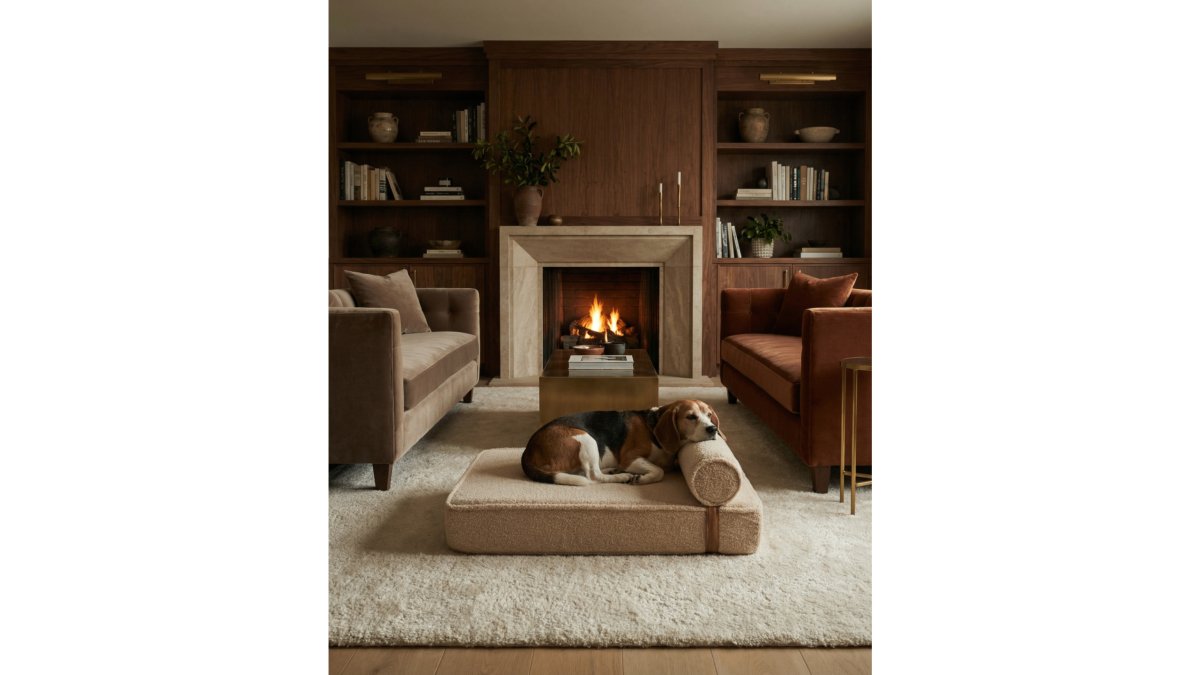
That is the design behind our beds. The Modern Day Bed and The Circle both use a waterproof-lined mattress and a zip-off, machine-washable cover built to take a real wash cycle, not just a wipe-down.

| Feature | Why It Matters for Hygiene |
|---|---|
| Zip-off cover | Lets you wash the whole surface, not just spots |
| Waterproof liner | Keeps moisture, mold, and bacteria out of the foam |
| Durable fabric | Survives frequent laundering without pilling |
| High-density foam | Holds shape and support after repeated washes |
How to Clean Dog Beds Without Damaging the Materials
Most guides tell you to "read the care tag and wash on gentle." That is not enough, because the right method depends entirely on what is inside the bed. Wash a memory foam insert like a poly-fill insert and you will ruin it. Here is how to match the wash to the material.
Match the wash to the fill
Memory foam inserts. Never machine-wash or submerge memory foam. Water breaks down the cell structure and the foam loses its contour and support.
Orthopedic and high-density foam. Same rule as memory foam: cover off, foam never submerged.
Poly-fill and fiberfill inserts. Many poly-fill inserts are machine-washable on gentle, but check the tag first.
Cover-only beds (no removable insert). If the whole bed is one piece and the tag says machine-washable, use a gentle cycle, cold water, and a mesh laundry bag to protect seams.
Choose a pet-safe detergent
This is the step most owners skip, and it is the one most likely to cause a problem. Residue from harsh detergents, dyes, and perfumes sits against your dog's skin for hours at a time and can trigger itching, redness, and hot spots, especially in dogs with allergies or sensitive skin.
- Look for fragrance-free and dye-free formulas. "Fresh scent" usually means added perfume, which is a common skin irritant.
- Choose hypoallergenic when you can. Formulas marketed for baby laundry or sensitive skin are a reasonable proxy.
- Skip fabric softener entirely. It leaves a waxy film that traps odor, reduces the cover's stain resistance, and coats fibers your dog sleeps against.
If your dog has known allergies, run the cover through a second rinse cycle with no detergent. It costs a few minutes and removes the last of the residue.
A material-by-material cheat sheet
| Material | Machine wash? | Water temp | Dry method |
|---|---|---|---|
| Zip-off fabric cover | Yes | Cold or warm | Tumble low or air dry |
| Waterproof liner | Spot clean only | N/A | Air dry flat |
| Memory foam core | No | N/A | Air dry on edge, 24 hrs |
| Orthopedic foam core | No | N/A | Air dry on edge, 24 hrs |
| Poly-fill insert | Check tag | Cold | Tumble low with dryer ball |
The steps, in order
- Unzip and remove the cover. Wash the cover alone, never with the foam core.
- Use a pet-safe, fragrance-free detergent on a gentle cycle with cold or warm water.
- Skip fabric softener and dryer sheets.
- Spot-clean the waterproof liner with a damp cloth and mild soap, then dry it flat.
- Never machine-wash or soak the foam mattress.
- Dry everything completely before reassembly.

How often to wash
Frequency depends on your dog, not the calendar. A reasonable baseline:
- Every one to two weeks for most indoor dogs
- Weekly for swimmers, droolers, heavy shedders, or dogs with skin conditions
- Same day after any accident, vomit, or muddy adventure
A dog that sleeps on the bed every night and spends time outdoors will need a faster cadence than a senior dog that mostly naps indoors. Adjust to your dog, not to a fixed schedule.
Match the wash to the fill, choose a fragrance-free pet-safe detergent, and dry everything completely. Do those three things and the bed will survive hundreds of wash cycles instead of a handful.
How to Remove Dog Bed Odors for Good
Removing dog bed odors for good means killing the source, not covering it with scent.
Wash the cover with an enzyme-based, pet-safe detergent. Enzymes break down the organic matter that causes smell.
- Add half a cup of white vinegar to the rinse cycle to cut lingering odor
- Air dry in direct sunlight when you can, or tumble dry on low
- Sprinkle baking soda on the mattress and vacuum it up between washes
For deep cleaning, wash the cover twice if the odor is strong. One cycle removes surface dirt.
A quick note on fit: a cover that is too tight strains the seams every time you pull it on.
Frequently Asked Questions
Which dog beds are the most hygienic?
The most hygienic dog beds have removable, machine-washable covers, a waterproof mattress liner, and a foam core that resists moisture. A waterproof liner keeps accidents and spills out of the foam, where bacteria and mold otherwise grow. High-density foam also holds its shape through repeated washing, unlike loose fill that clumps. Mafé's washable dog beds pair a zip-off cover with a waterproof-lined mattress, so the parts that trap dander, dust mites, and odor can be laundered regularly without degrading the bed.
Is it okay to wash a dog bed in the washer?
Yes, if the cover is labeled machine-washable. Unzip the cover, remove the foam mattress and liner, and wash the cover alone on a gentle cycle with cold water and a pet-safe detergent. Never put high-density foam in a washing machine; it breaks down the cell structure and shortens the bed's life. Air-dry the cover or use a low tumble-dry setting, and make sure it is completely dry before zipping it back on to prevent moisture buildup inside the mattress.
How often should you wash a dog bed to prevent odors?
Wash the cover every one to two weeks for most dogs. Increase to every few days if your dog sheds heavily, drools, has allergies, or is recovering from an accident. Wipe down the waterproof liner with a pet-safe cleaner each time you wash the cover, and spot-clean between full washes. Frequent laundering is what keeps odor control working; once oils and dander soak into the fabric, a single wash rarely removes the smell completely.
Do washable dog beds help reduce pet allergens in the home?
They help significantly. Dander, dust mites, and pollen collect in bedding fabric, and regular machine washing removes them rather than letting them recirculate into the air. A waterproof liner adds another barrier so allergens do not penetrate the foam core. Pair frequent laundering with air drying and a hypoallergenic, fragrance-free detergent. No bed eliminates allergens entirely, but a washable design lets you remove the buildup instead of living with it.
Your dog's bed takes more wear than any other item in your home, and a cheap one will flatten, smell, and fall apart within a year. Mafé Pets builds beds that hold up: solid North American hardwood frames, high-density orthopedic memory foam, and a waterproof-lined, machine-washable cover that survives real laundering. Every bed carries a ten-year structural warranty and ships free by FedEx. Shop the Haven and give your dog a bed that stays clean, comfortable, and worth keeping.