Orthopedic Memory Foam for Dogs: Benefits & Selection
Table of Contents
- What Orthopedic Memory Foam Does for Your Dog
- How Memory Foam Supports Joint Health and Mobility
- Signs Your Dog Needs an Orthopedic Bed
- Orthopedic Memory Foam vs. Standard Foam Beds
- Best Orthopedic Dog Beds for Large Breeds
- Foam Quality, Safety, and Long-Term Durability
- Why Orthopedic Beds Work for Active Dogs Too
- Frequently Asked Questions
Last Updated: September 19, 2026
What Orthopedic Memory Foam Does for Your Dog
Orthopedic memory foam dogs benefit from engineered weight distribution across the sleeping surface, reducing pressure on joints and supporting proper spinal alignment. Unlike standard foam that compresses unevenly, memory foam conforms to your dog's body shape, cradling pressure points where joints bear the most stress.
This matters because dogs spend 12-14 hours sleeping daily. Poor support means cumulative strain on hips, shoulders, elbows, and knees, accelerating joint deterioration and inflammation.
Memory foam responds to body heat, softening under pressure and returning to shape when weight is removed. This cycle reduces impact on weight-bearing joints and improves circulation.
High-density orthopedic foam holds its shape for a decade, while lower-density foam flattens within months. Density and resilience determine whether a bed lasts two years or ten.
How Memory Foam Supports Joint Health and Mobility
Standard foam causes uneven pressure distribution, forcing joints into misalignment and creating inflammation and stiffness over time.
Memory foam rises to meet your dog's body contours, supporting the spine in neutral position and distributing pressure evenly across hips, shoulders, and elbows to reduce inflammation and improve circulation.
Many dog owners notice older dogs move more freely within a week or two of switching to memory foam, as pain-free rest allows inflammation to decrease.
Athletic dogs experience microtrauma during play and exercise. Memory foam accelerates recovery by supporting proper alignment during rest, benefiting young, active dogs as well as seniors.
Signs Your Dog Needs an Orthopedic Bed
Clear signals include difficulty rising after rest, hesitation before jumping, or stiffness after sleep, signs that joints are working harder than they should.

Other signals include limping, reluctance to climb stairs, excessive licking at joints, or decreased activity levels.
Age and Breed Considerations
Large breeds develop joint issues earlier than small breeds. Giant breeds often benefit from orthopedic support by age 5-6, while small breeds may not show signs until age 8-10. Dogs with injury, surgery, or hip dysplasia history benefit at any age.
German Shepherds and Labrador Retrievers are predisposed to hip dysplasia, making early orthopedic support preventive. Dachshunds and Corgis benefit from beds supporting the entire spine length.
Post-Surgical Recovery and Orthopedic Conditions
Dogs recovering from orthopedic surgery have the most urgent need for proper bedding. After procedures like TPLO (tibial plateau leveling osteotomy) for torn ACLs, hip dysplasia surgery, or elbow arthroscopy, the surgical site and surrounding joints are inflamed and vulnerable. Standard beds force the dog into unnatural positions during the critical 6-12 week recovery window, delaying healing and increasing pain.
Orthopedic memory foam becomes part of the recovery protocol. The conforming support keeps the surgical leg and spine in neutral alignment, reducing strain on the incision site and allowing inflammation to decrease. Dogs recovering from TPLO surgery, in particular, benefit from beds that distribute weight evenly across all four legs rather than forcing weight onto the unaffected legs (which causes compensatory strain).
If your veterinarian has diagnosed your dog with any of the following, orthopedic bedding is medically recommended:
- Hip dysplasia or elbow dysplasia
- Osteoarthritis or degenerative joint disease
- ACL or ligament tears (pre- or post-surgical)
- Intervertebral disc disease (IVDD)
- Luxating patella
- Recent orthopedic surgery (within 12 months)
- Chronic pain conditions affecting joints or spine
Your veterinarian may even recommend orthopedic bedding as part of a post-surgical discharge plan. If so, follow that guidance closely, the bed becomes as important as pain medication during recovery.
The Behavior Change Indicator
The most reliable indicator is behavior change. If your dog's activity level has decreased or their movement has become more cautious, orthopedic support will help. There's no downside to providing better joint support; every dog sleeps better on memory foam than on flat surfaces. For dogs with diagnosed conditions or post-surgical needs, the difference is often dramatic and measurable within the first week.
The Modern Day Bed — Boucle Lounge Dog →
Orthopedic Memory Foam vs. Standard Foam Beds
Standard foam compresses under weight and loses its shape permanently over time. Within 6-12 months, most budget dog beds flatten into nearly useless surfaces. The foam has low density, meaning fewer cells per cubic inch to support your dog's weight. Once compressed, it never fully recovers.
Orthopedic memory foam uses high-density construction with specialized cell structure. The foam springs back to its original shape after each use. This resilience means the bed maintains its support for years, not months. High-density foam also conforms more precisely to your dog's body, creating better pressure distribution than standard foam ever could.
The difference shows up in durability and effectiveness. A standard foam bed costs less upfront but requires replacement every year or two. A quality orthopedic bed costs more initially but outlasts ordinary beds by years. When you factor in replacement frequency, orthopedic beds actually cost less over time.
Standard foam also breaks down faster because it lacks the engineered cell structure of orthopedic foam. Dust and particles from deteriorating standard foam can irritate your dog's respiratory system. High-density orthopedic foam maintains its integrity, avoiding this problem entirely.
Best Orthopedic Dog Beds for Large Breeds
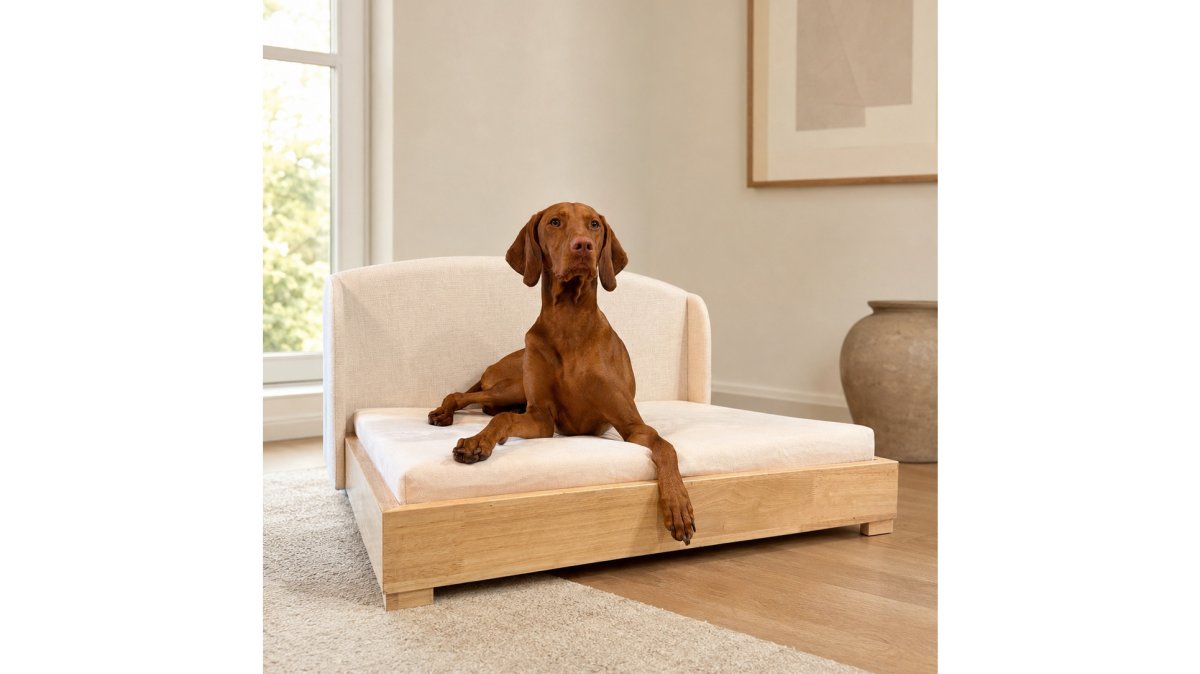
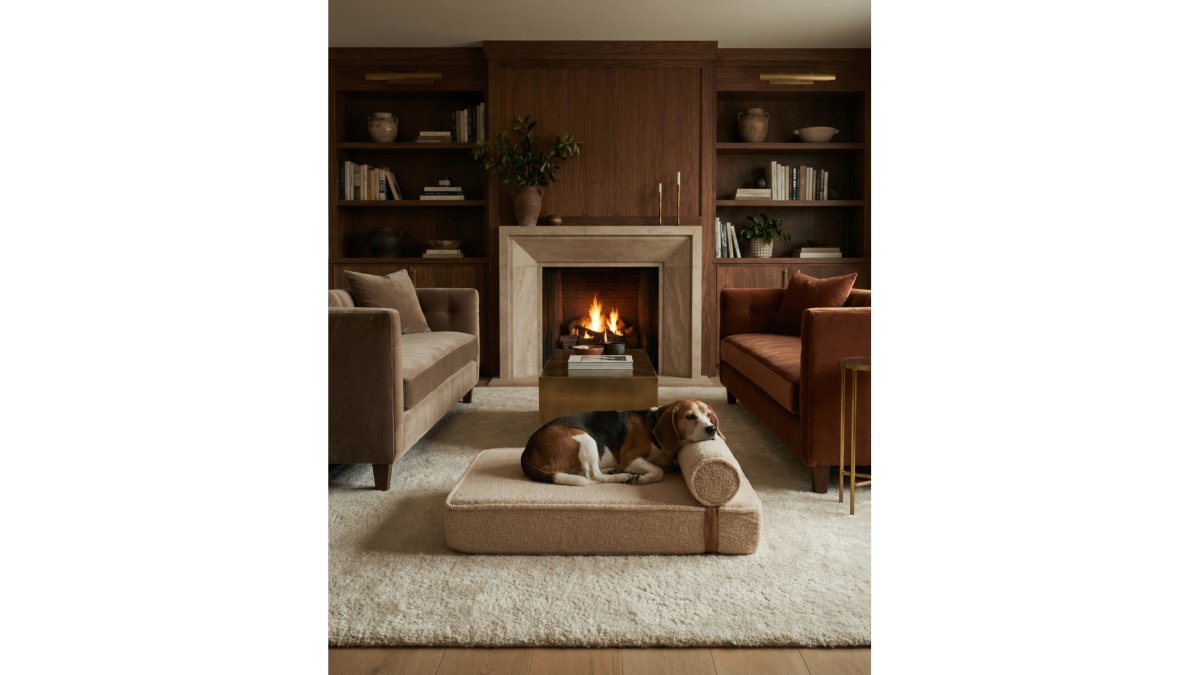
Large breed dogs need beds specifically designed for their weight and size. The Modern Day Bed from Mafé Pets delivers furniture-grade construction with high-density foam that supports dogs up to 100+ pounds. The bolster backrest gives larger dogs a place to rest their head, reducing neck strain. Its low-profile lounge design fits seamlessly into any home while providing the support large dogs require.

For dogs that prefer a more sculptural, centerpiece-style bed, The Circle offers a round ottoman design with the same high-density orthopedic foam. The compact footprint works well for medium-to-large dogs in living rooms or bedrooms where space is limited. Both beds feature waterproof liners and machine-washable covers, addressing the practical concerns of dog owners who want durability and easy maintenance.
When selecting a bed for a large breed, focus on foam density and construction quality. Look for beds with hardwood frames that won't collapse under weight. Mafé Pets uses solid North American hardwood with real joinery, ensuring structural integrity for years. The ten-year warranty backs this durability promise in ways cheaper alternatives cannot match.
| Feature | The Modern Day Bed | The Circle |
|---|---|---|
| Best For | Large dogs needing lounge support | Medium-large dogs in compact spaces |
| Foam Type | High-density orthopedic | High-density orthopedic |
| Design | Low-profile lounge | Sculptural round ottoman |
| Price | $175 | $125 |
| Waterproof Liner | Yes | Yes |
| Machine Washable | Yes | Yes |
Foam Quality, Safety, and Long-Term Durability
Not all memory foam is created equal. The quality of orthopedic foam depends on density (measured in pounds per cubic foot), cell structure, manufacturing standards, and safety certifications.
Safety Certifications and Off-Gassing Standards
Off-gassing, the release of volatile organic compounds (VOCs) when foam is new, is a legitimate concern for pet owners. Dogs spend 12-14 hours daily on their beds, breathing air directly above the foam surface. Quality orthopedic foam should meet the CertiPUR-US standard, which certifies that foam is made without ozone-depleting chemicals, PBDEs, TDCPP, or other harmful flame retardants. This certification is independently tested and verified, making it the most reliable marker of safety for pet bedding.
Beyond CertiPUR-US, some manufacturers pursue GREENGUARD Gold certification, which tests for chemical emissions over time and ensures the foam maintains low off-gassing even after months of use.
Density and Resilience for Long-Term Support
Durability comes from maintaining foam density over time. High-quality foam resists compression breakdown and maintains its conforming properties for years. Budget foam loses its shape because the cell structure collapses under repeated compression. This is why a five-year-old orthopedic bed with certified foam still supports joints as well as a new one, while standard beds become flat and useless within months.
Construction Beyond Foam
Long-term durability also depends on the bed's construction beyond foam. Hardwood frames (ideally solid North American hardwood with real joinery, not particle board) resist warping and cracking under a dog's weight. Waterproof liners protect the foam core from accidents and spills, preventing moisture infiltration that degrades foam and promotes mold growth. Machine-washable covers allow you to maintain cleanliness without damaging the foam underneath.
Why Orthopedic Beds Work for Active Dogs Too
The assumption that orthopedic beds are only for senior dogs misses the actual benefit. Orthopedic support accelerates recovery from physical stress, which matters more for active dogs than sedentary ones.
Frequently Asked Questions
Is memory foam or orthopedic foam better for dogs?
Orthopedic memory foam combines the best of both. Memory foam conforms to your dog's body shape and distributes weight evenly across pressure points, while orthopedic-grade foam is denser and engineered specifically for joint support. High-density orthopedic memory foam provides conforming comfort plus the resilience needed for dogs with arthritis, hip dysplasia, or age-related stiffness. Standard memory foam may feel comfortable initially but often flattens within months, losing its supportive properties.
At what age should a dog start using an orthopedic bed?
While senior dogs benefit most, active dogs of any age can benefit from orthopedic memory foam. Large and giant breeds, which face higher joint stress, often show signs of wear by age 5-7. However, you don't need to wait for problems to appear. Preventive support through high-density foam reduces inflammation and supports spinal alignment before pain develops. If your dog shows stiffness after exercise, struggles to rise, or has a breed predisposition to hip dysplasia, an orthopedic bed is worth considering sooner rather than later.
Will an orthopedic dog bed actually stay supportive, or will it flatten like my last one?
Quality matters enormously. High-density orthopedic foam resists compression far better than standard foam. Furniture-grade construction with solid hardwood frames adds durability that outlasts cheaper alternatives by years. Look for beds with waterproof liners to protect the foam core from accidents and spills, which degrade materials over time. A ten-year structural warranty is a strong indicator the manufacturer stands behind the product's resilience and long-term shape retention.
Can I really machine-wash an orthopedic dog bed, or just the cover?
Quality orthopedic beds feature zip-off, machine-washable covers that protect the foam core beneath. The waterproof-lined mattress itself should not go in the washing machine; instead, spot-clean any spills on the liner and allow it to air dry. The removable cover handles regular washing, keeping your bed hygienic and extending its life. This design means accidents or dirt won't compromise the orthopedic foam's integrity, which is why the waterproof liner is essential.