Dog Bed Placement in Small Living Rooms
Table of Contents
- Assess Your Space and Your Dog's Needs
- Dog Bed Placement Ideas for Small Living Rooms
- Small Living Room Dog Bed Ideas That Blend with Your Décor
- How to Make a Dog Bed Blend with Home Décor
- Creating a Dog Nook Ideas for Tight Spaces
- Safety and Environmental Checks Before Placement
- Training Your Dog to Use the New Bed Location
- Frequently Asked Questions
Last Updated: October 12, 2026
Assess Your Space and Your Dog's Needs
Before you choose where to place your dog's bed, consider dog bed placement small living room by measuring your space and thinking about your dog. The best spot depends on your layout, your dog's size, age, and personality.
Start with the basics. How big is your living room? Is it an open floor plan or divided into zones? Where do you spend the most time?
Consider your dog too. Dogs with joint issues benefit from orthopedic support, which is why many owners choose furniture-grade beds like those from Mafé Pets that provide high-density memory foam and real joint relief.

Think about these practical questions:
- How many people live in your home?
- Where do family members move through the room most?
- Does your dog prefer to be in the center of activity or tucked away?
- Is your dog prone to overheating or does it get cold easily?
- What's your home's décor style?
The answers guide your placement strategy. A quiet dog might thrive in a corner nook. A social dog needs visibility and proximity to family. Your space determines what's actually possible.
Dog Bed Placement Ideas for Small Living Rooms
1. Corner Placement for Quiet Rest
A corner is one of the best spots in a small living room. It gives your dog a sense of security and keeps the bed out of the main traffic flow.
Corners work because they're naturally enclosed. Dogs feel safer with walls on two sides. This is especially true for anxious dogs or those recovering from stress. The corner becomes a den-like retreat where your dog can relax without feeling exposed.
Place the bed slightly away from the corner so air can flow behind it. This prevents moisture buildup and keeps the space clean. Leave at least 6 inches from the walls for easy cleaning and to avoid trapping dust.
Choose a corner away from doors, stairs, and high-traffic areas. A corner near a window is ideal if your dog likes natural light. Avoid corners near heating vents or direct sunlight that could overheat your dog during the day.
2. Along the Sofa for Family Proximity
Many dogs want to be close to their people. Placing the bed along the sofa lets your dog see family members and feel included without taking up floor space.
This placement works well for social dogs that don't like being alone. Your dog stays in the room with you while you watch television or read. They can nap nearby and wake up when you move.
Position the bed parallel to the sofa, about 12 inches away. This creates a natural pathway and keeps the room open. If your sofa is against a wall, the bed creates a cozy nook between the furniture and the wall.
Make sure the bed doesn't block walkways to other rooms. Test the layout by walking through your normal paths. If you trip over the bed or have to step around it, adjust the position.
3. Under Windows for Natural Light
Dogs love natural light and fresh air. A spot under a window gives your dog warmth and visual stimulation without taking up prime floor space.
Windows provide natural heat in winter and let your dog watch the outdoors. Many dogs enjoy seeing birds, squirrels, or people passing by. This mental stimulation keeps them engaged and reduces boredom.
Check the window for drafts before placing the bed there. In winter, cold air seeps around window frames. Feel for drafts by moving your hand near the frame on a cold day. If you feel cold air, move the bed further into the room or add weatherstripping to the window.
In summer, direct sunlight through a window can overheat your dog. Use a sheer curtain to filter harsh afternoon sun. Make sure your dog has shade for part of the day.
4. Centered as a Design Statement
If your dog bed is beautiful furniture, make it a focal point. A sculptural bed like the Circle from Mafé Pets works as a design element in the room.
Center placement works best in larger small living rooms or open floor plans. The bed becomes part of your interior design, not hidden away. This approach suits owners who view their dog's bed as home décor, not just pet furniture.
A centered bed needs clear sight lines and walkways around it. Leave at least 24 inches of space on all sides so people can walk past comfortably. Make sure the bed doesn't block views of windows, televisions, or doorways.
This placement works best with round or sculptural beds. A round ottoman-style bed like the Circle fits naturally into a room's center. Rectangular beds tend to look more functional than decorative when centered.
Small Living Room Dog Bed Ideas That Blend with Your Décor
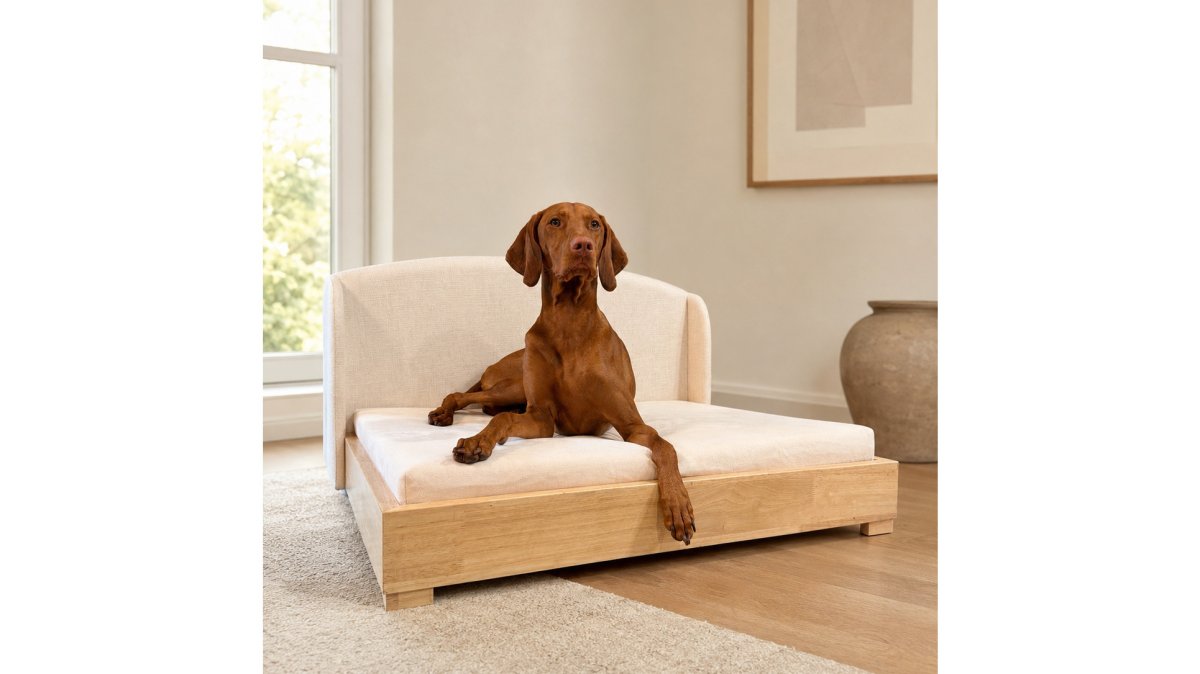
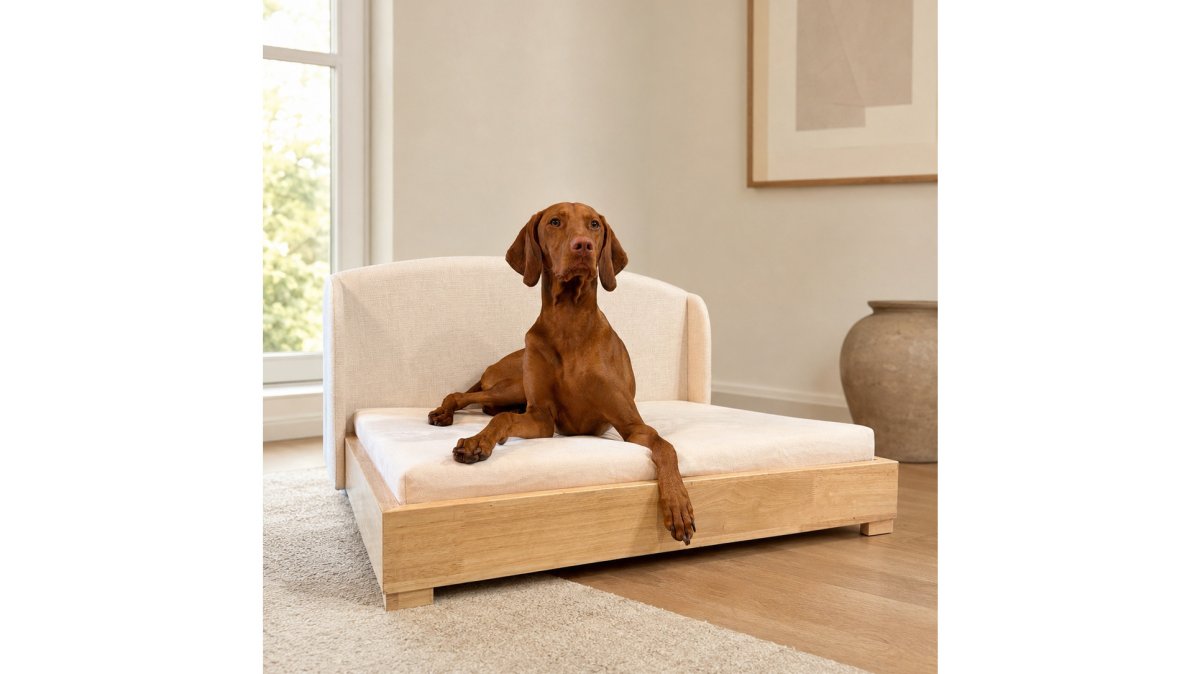
Your dog's bed doesn't have to look like a pet product. Furniture-grade beds integrate into your home's aesthetic and actually look intentional.
Choose a bed that matches your existing furniture. If your sofa is neutral, a cream or cocoa-colored bed complements it. If your style is modern, a low-profile lounge bed works better than a traditional cushion.
Material matters. Upholstered beds look more like furniture than plastic or nylon options. Natural fabrics like boucle blend with contemporary interiors. Wooden frames elevate a bed from pet accessory to actual furniture.
Consider the bed's shape. Round beds work in corners or as centerpieces. Rectangular beds fit along walls or under windows. Low-profile beds suit modern spaces. Higher-sided beds with bolsters work in traditional or cozy interiors.
Mafé Pets creates beds that owners actually want in their living rooms. The Haven features a solid hardwood frame and tailored upholstery that looks like a real furniture piece. The Modern Day Bed's low profile and boucle fabric suit contemporary homes.

How to Make a Dog Bed Blend with Home Décor
Making a dog bed part of your décor takes intentional choices. Start with color. Pick a shade that appears elsewhere in your room. If your throw pillows are cream, get a cream dog bed.
Texture creates visual interest. A plush bed stands out against a minimalist room. A sleek upholstered bed suits modern spaces. A woven bed works in bohemian or casual homes. The texture should echo something already in your room.
The Circle — Round Ottoman Dog Bed | High-Density Foam, Waterproof Lined →
Dog bed placement small living room is styling too. A bed tucked in a corner looks hidden. A bed positioned as part of a seating arrangement looks intentional.
Scale matters in small spaces. A bed that's too large overwhelms the room. A bed that's too small looks lost. Measure your space and choose a bed proportional to your room.
Add accessories that tie the bed to your décor. A throw blanket in a coordinating color softens the look. A plant beside the bed adds life. A decorative pillow or cushion makes it feel intentional.
Creating a Dog Nook Ideas for Tight Spaces
A dog nook is a dedicated space that feels special and separate. In a small living room, a nook maximizes unused space and gives your dog a retreat.
Corners are natural nook spots. Add a bed, a small rug, and perhaps a plant to define the area. The rug anchors the space and creates a visual boundary.
Alcoves under stairs or beside built-in shelving work well. These spaces are often underused. A dog bed there makes use of dead space while creating a cozy hideaway.
Use furniture to define a nook. A low bookshelf, a side table, or a tall plant can mark the nook's boundaries.
Lighting enhances a nook. A small lamp or a string of soft lights makes the space inviting. Avoid bright overhead lights that make the nook feel harsh.
A nook should feel safe and private. Your dog needs to see out but not feel completely exposed. A corner with one open side works better than a fully enclosed space, which can feel claustrophobic.
Safety and Environmental Checks Before Placement
Before you finalize your dog bed's location, check for hazards. Walk through your living room and look for anything that could harm your dog.
Avoid placing the bed near electrical cords. Dogs chew on wires, which is dangerous. Keep the bed away from outlets and cords you can't hide.
Check for drafts around windows and doors. Cold air stresses older dogs and those with joint problems. Feel for air movement on cold days.
Make sure the bed isn't in direct sunlight for hours at a time. Overheating is dangerous, especially for senior dogs or breeds with thick coats.
Keep the bed away from heating vents and radiators. Direct heat dries out skin and can overheat your dog. The same goes for air conditioning vents.
Check the floor surface. Hard tile or wood can be uncomfortable for dogs with joint issues.
Look for anything toxic or harmful. Some houseplants are poisonous to dogs. Check that nothing toxic is near the bed.
Training Your Dog to Use the New Bed Location
Moving a dog bed to a new spot sometimes confuses dogs. Help your dog adjust by making the new location rewarding.
Start by placing treats on the bed. Let your dog discover it naturally. Reward them when they approach or lie down on it.
Use a cue like "go to bed" when your dog approaches the spot. Reward them for lying down. Repeat this several times a day for a week.
Keep the old bed nearby for a few days if possible. This eases the transition.
Make the new spot more appealing than other areas. Don't leave toys scattered around the living room. Keep the space calm so the bed becomes the obvious place to rest.
If your dog is older or has mobility issues, place the bed where it's easy to reach. Avoid spots that require climbing stairs or jumping.
Be patient. Some dogs adapt in days. Others take weeks. Consistency and rewards work better than forcing your dog to use the bed.
Choosing the right spot for your dog's bed transforms your small living room. Shop the Haven and discover how a well-designed bed transforms both your dog's comfort and your home's aesthetic.
Frequently Asked Questions
Where is the best place to put a dog bed in a small living room?
The best placement depends on your dog's personality and your room layout. Corner spots work well for dogs who prefer privacy and quiet rest, while placement along the sofa suits dogs who want to stay near family activity. Avoid high-traffic walkways and areas near direct heat sources. Measure your available floor space carefully to avoid blocking movement through the room. A furniture-grade bed like The Haven fits seamlessly into living spaces without dominating the room.
Can I put a dog bed near a window or heater?
Windows and heat sources require careful consideration. Dogs naturally seek sunlight and warmth, but direct afternoon sun can overheat them, and proximity to radiators or vents can dry out their skin. If your dog loves window spots, position the bed where it catches morning light but stays out of intense afternoon heat. Keep beds away from active heat sources. In winter, ensure the bed isn't directly in a cold draft from windows. Test the spot for a few days before committing to permanent placement.
How much space should I leave around a dog bed in a small living room?
Leave clear space on the sides where your dog enters and exits the bed, and maintain open floor space in front to avoid blocking traffic flow. For tight rooms, position beds along walls rather than in the center of walkways. This clearance prevents tripping hazards, allows your dog to approach and leave comfortably, and keeps the room from feeling cramped. A compact, well-designed bed like The Circle takes up minimal floor space while providing full comfort.
Should a dog bed go in a corner or near the sofa?
Both placements work, it depends on your dog's temperament. Corner beds suit dogs who value privacy and security, especially older or anxious dogs who rest better in quieter spots. Sofa-side placement works for social dogs who want to stay close to family activity without being underfoot. Corner placement typically makes rooms feel less cluttered, while sofa-side placement keeps your dog visible and integrated into family life. Observe your dog's natural resting habits for a week before deciding, then choose a bed that matches your chosen location's style and available space.