Are Expensive Dog Beds Worth It? A Cost Analysis
Table of Contents
- The Real Cost: Sticker Price vs. Cost-Per-Year
- Orthopedic Dog Bed Benefits for Joint Health
- Durable Dog Bed Materials That Actually Last
- When Expensive Dog Beds Make Financial Sense
- Signs of a Low-Quality Bed and Hidden Replacement Costs
- Maintenance and Cleaning: Why Washable Design Matters
- Environmental Impact: Cheap Replacements vs. One Long-Term Investment
- Conclusion
- Frequently Asked Questions
Last Updated: September 21, 2026
The Real Cost: Sticker Price vs. Cost-Per-Year
Premium dog beds cost three to five times more than big-box options, but that sticker-price comparison misses the actual financial picture.
The real question isn't what you pay upfront, it's what you pay per year of use. A $125 bed that lasts two years costs $62.50 annually. A $399 bed that lasts ten years costs $39.90 annually. The math shifts dramatically when you account for longevity.
Most dog owners cycle through multiple budget beds over the same timespan. The cumulative cost of replacements often exceeds what you'd spend on a single high-quality option from the start.
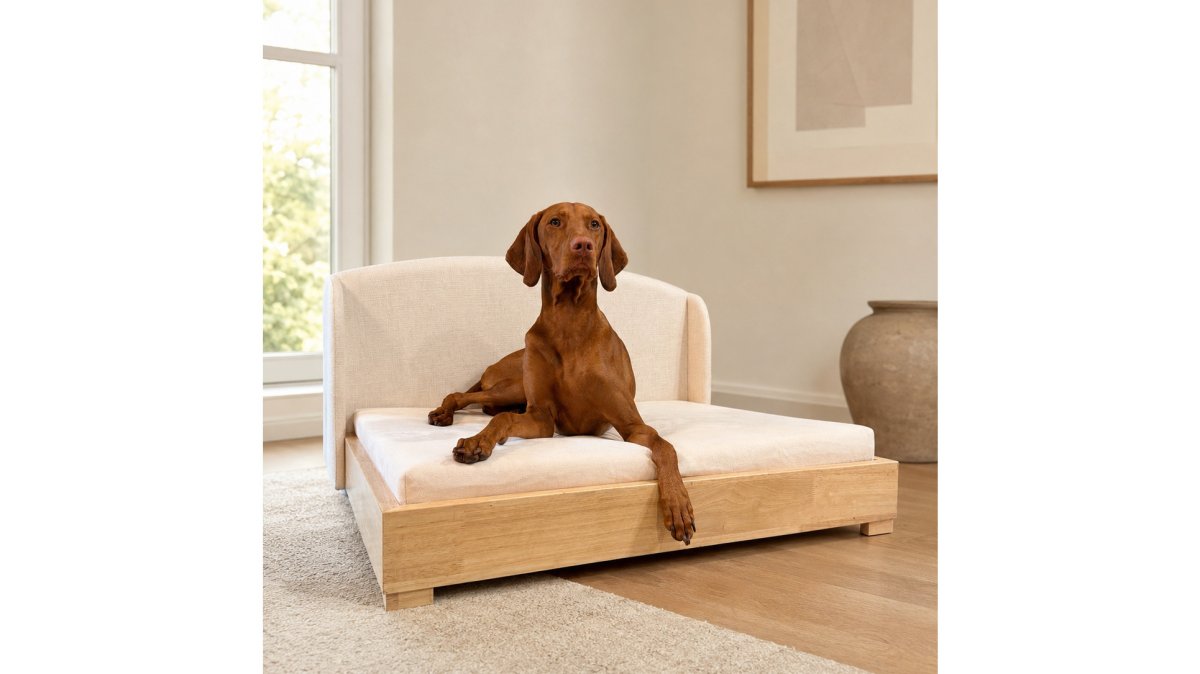
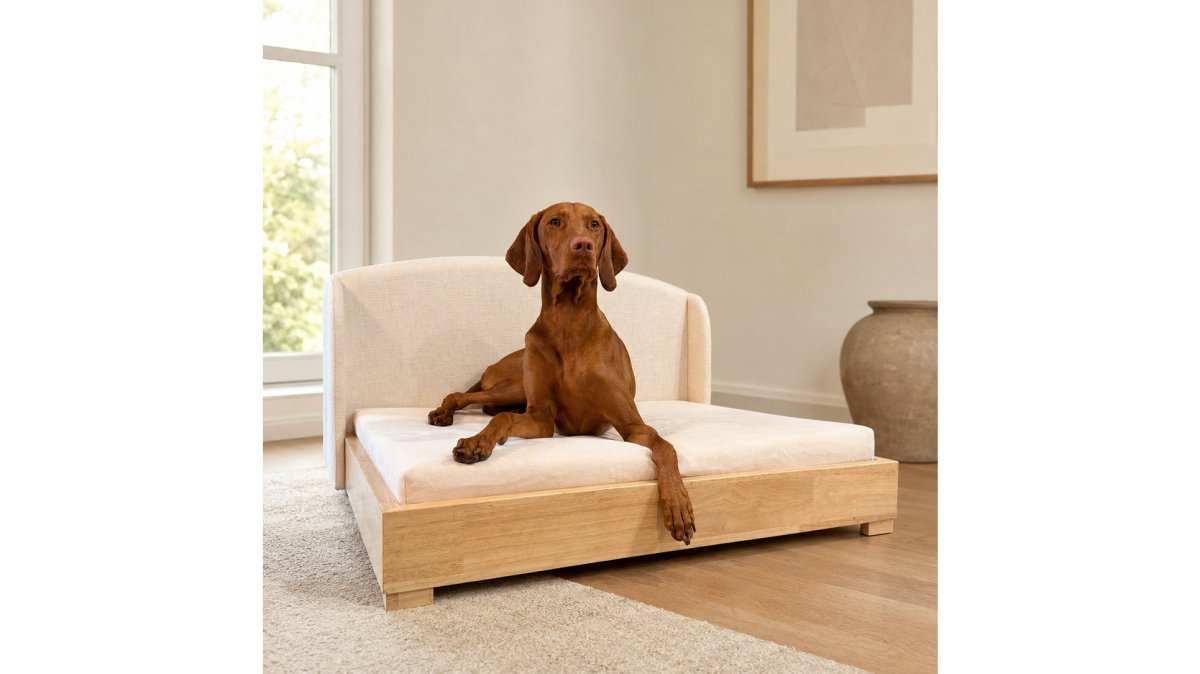
At Mafé Pets, we built The Haven with this math in mind. A solid hardwood frame, hand-joinery, and high-density orthopedic foam are engineered to outlast ordinary dog beds by years. The ten-year structural warranty backs that durability promise. When you calculate the actual per-year expense, expensive dog beds frequently become the more economical choice over time.

Orthopedic Dog Bed Benefits for Joint Health
Orthopedic support matters especially as dogs age. A standard bed compresses under weight, concentrating pressure on hips, shoulders, and joints. Orthopedic memory foam distributes weight evenly, reducing stress on pressure points where joint pain develops, critical for dogs with specific health conditions.
Specific Conditions That Benefit From Premium Support
Hip dysplasia, common in larger breeds, occurs when the femoral head doesn't fit properly in the hip socket. A standard bed allows the hip to sink unevenly, exacerbating misalignment during sleep. High-density orthopedic foam (4 to 5 pounds per cubic foot) maintains even weight distribution, keeping the hip joint neutral. Dogs with hip dysplasia often show improved morning mobility after switching to proper orthopedic support.
Arthritis affects an estimated 20 percent of dogs over one year of age. A compressing bed concentrates pressure on damaged joints, increasing inflammation overnight. Proper orthopedic support reduces this pressure, allowing inflammatory markers to decrease during rest. Many owners report their arthritic dogs show noticeably less stiffness in the morning after sleeping on orthopedic surfaces.
Intervertebral disc disease (IVDD), common in long-backed breeds, involves disc herniation that compresses the spinal cord. A sagging bed forces the spine into an unnatural curve, increasing pressure on affected discs. Orthopedic beds keep the spine neutral and aligned, critical to prevent overnight symptom exacerbation.
How Material Density Translates to Joint Protection
Budget foam typically uses 1.5 to 2 pounds per cubic foot and compresses significantly within 6 to 12 months. Premium orthopedic foam runs 4 to 5 pounds per cubic foot, resisting permanent compression and maintaining support for years. Compressed foam creates pressure points and loses its orthopedic benefit.
Sleep Quality and Recovery
Dogs spend 12 to 18 hours daily sleeping, roughly 50 to 75 percent of their lives on a bed. For dogs with joint issues, proper orthopedic support during these extended rest periods measurably affects daytime mobility and pain levels. Many owners notice behavioral changes within two to four weeks: dogs climb stairs more readily, jump without hesitation, or show increased playfulness, reflecting reduced joint pain from consistent nighttime support.
Durable Dog Bed Materials That Actually Last
What separates a bed that lasts two years from one that lasts ten comes down to material selection and construction method.

Budget beds use particleboard or MDF frames with low-density foam that compresses permanently within months. Premium beds use solid hardwood frames with real joinery and high-density foam that resists compression for years, maintaining shape and support well into the second decade.
What Separates Premium From Budget Construction
A solid hardwood frame distributes stress across the entire structure; real joinery creates joints stronger than the wood itself. Budget foam (1.5 to 2 pounds per cubic foot) feels flat after a year; premium foam (4 to 5 pounds per cubic foot) maintains loft and support. A waterproof liner protects the foam from accidents, and machine-washable covers mean you can clean the bed without replacing it.
When Expensive Dog Beds Make Financial Sense
Expensive dog beds deliver the most value for aging dogs, dogs with joint issues, larger breeds, or dogs prone to accidents. Dogs that sleep 14 to 18 hours daily benefit disproportionately from supportive surfaces. A waterproof liner and machine-washable cover mean one accident doesn't end the bed's life.
The Haven | Solid Hardwood Orthopedic →
Signs of a Low-Quality Bed and Hidden Replacement Costs
Low-quality beds show their weakness within weeks to months of regular use. Understanding what to look for, and what material specifications actually indicate durability, helps you avoid beds that will need replacement in two years.
Observable Signs of Poor Construction
The foam begins flattening visibly, losing the cushioning and support that made it appealing initially. The frame develops squeaks or wobbles as joints loosen. Covers tear or seams separate under normal use. These are the obvious red flags, but they're symptoms of deeper material and construction failures.
Material Specifications That Predict Longevity
Foam density is the most reliable durability predictor. Budget foam (1.5 to 2 pounds per cubic foot) compresses permanently within months; premium foam (4 to 5 pounds per cubic foot) maintains loft and support for years. Reputable manufacturers list foam density, if a bed doesn't specify it, that's a warning sign.
Frame material and joinery determine structural longevity. Budget beds use particleboard or MDF with staples that break down quickly. Solid hardwood frames with real joinery, mortise and tenon joints or dowel construction, maintain integrity for years by distributing stress across the entire structure.
Fabric durability matters for cover longevity. Budget covers often use thin polyester or cotton blends with low denier counts (denier measures fiber thickness; higher denier = more durable). Premium covers use higher-denier fabrics, often 600 denier or above, that resist tearing and pilling from normal use and washing.
The Hidden Cost Cascade
These failures cascade into hidden costs most owners don't anticipate. A destroyed bed means another purchase, often sooner than expected. If your dog has had an accident on a budget bed without a waterproof liner, the entire thing may be unsalvageable. Foam absorbs liquid and develops odor or mold that cleaning cannot fully eliminate. You're replacing the bed entirely rather than simply washing the cover.
Environmental and Waste Considerations
The replacement cycle also means environmental waste that most owners don't consider. Each discarded bed represents materials ending up in landfills. A bed engineered to last a decade reduces that waste substantially. A dog owner who replaces a bed every two years over a ten-year period purchases five beds. Five beds worth of materials, foam, fabric, wood or particleboard, that took resources to produce and now occupy space indefinitely.
Maintenance and Cleaning: Why Washable Design Matters
A machine-washable cover changes how you relate to your dog's bed. Accidents happen. Dogs shed. Dust accumulates. A cover you can remove and wash cold keeps the bed fresh and hygienic without replacing it.
Environmental Impact: Cheap Replacements vs. One Long-Term Investment
The environmental cost of cycling through cheap beds adds up quickly. Each bed that ends up in a landfill represents materials, foam, fabric, wood or particleboard, that took resources to produce and now occupy space indefinitely.
Conclusion
Expensive dog beds aren't a luxury choice for most dogs, they're a financial and practical decision that favors durability, support, and long-term value. The per-year cost of a bed engineered to last ten years often undercuts the cumulative expense of replacing cheaper options repeatedly.
Frequently Asked Questions
Are expensive dog beds actually worth the money compared to budget options?
Expensive dog beds become worth the investment when you calculate cost-per-year. A $399 bed lasting 10 years costs about $40 per year, while a $60 budget bed replaced every 1-2 years costs $30-60 annually, plus the hassle of frequent replacements. Premium beds with solid hardwood frames, high-density orthopedic foam, and waterproof liners resist wear, accidents, and flattening far longer than poly-fill alternatives, making them a genuine long-term investment.
What orthopedic dog bed benefits justify the higher price for younger dogs?
Orthopedic memory foam isn't just for senior dogs. High-density foam distributes a dog's weight evenly across the sleeping surface instead of concentrating pressure on hips, shoulders, and joints. This matters for active dogs too: it reduces strain during rest and recovery, supports proper spinal alignment, and helps prevent the joint deterioration that becomes costly later. Starting your dog on orthopedic support early can delay or reduce orthopedic issues as they age.
How do I know if a dog bed will actually last, or if it will flatten like cheaper ones?
Durable dog bed materials include solid hardwood frames with real joinery (not stapled plywood), high-density foam (not low-density poly-fill), and sealed waterproof liners that protect the core. Budget beds use low-density foam that compresses within months and cardboard-backed frames that fail when wet. Check for a warranty: a 10-year structural guarantee signals the maker stands behind durability. Waterproof liners are essential, they prevent accidents from soaking into foam, which causes permanent damage and odor.
Do I really need to spend extra for a machine-washable cover, or is that just a luxury feature?
Machine-washable covers with waterproof liners are practical, not luxury. Dogs have accidents, shed, and track dirt. A removable cover that zips off and washes cold prevents odor buildup and keeps the bed hygienic without replacing the entire frame. If the cover isn't removable, you're either spot-cleaning (ineffective) or buying a new bed after one accident. This feature directly extends the bed's lifespan and your home's cleanliness.